


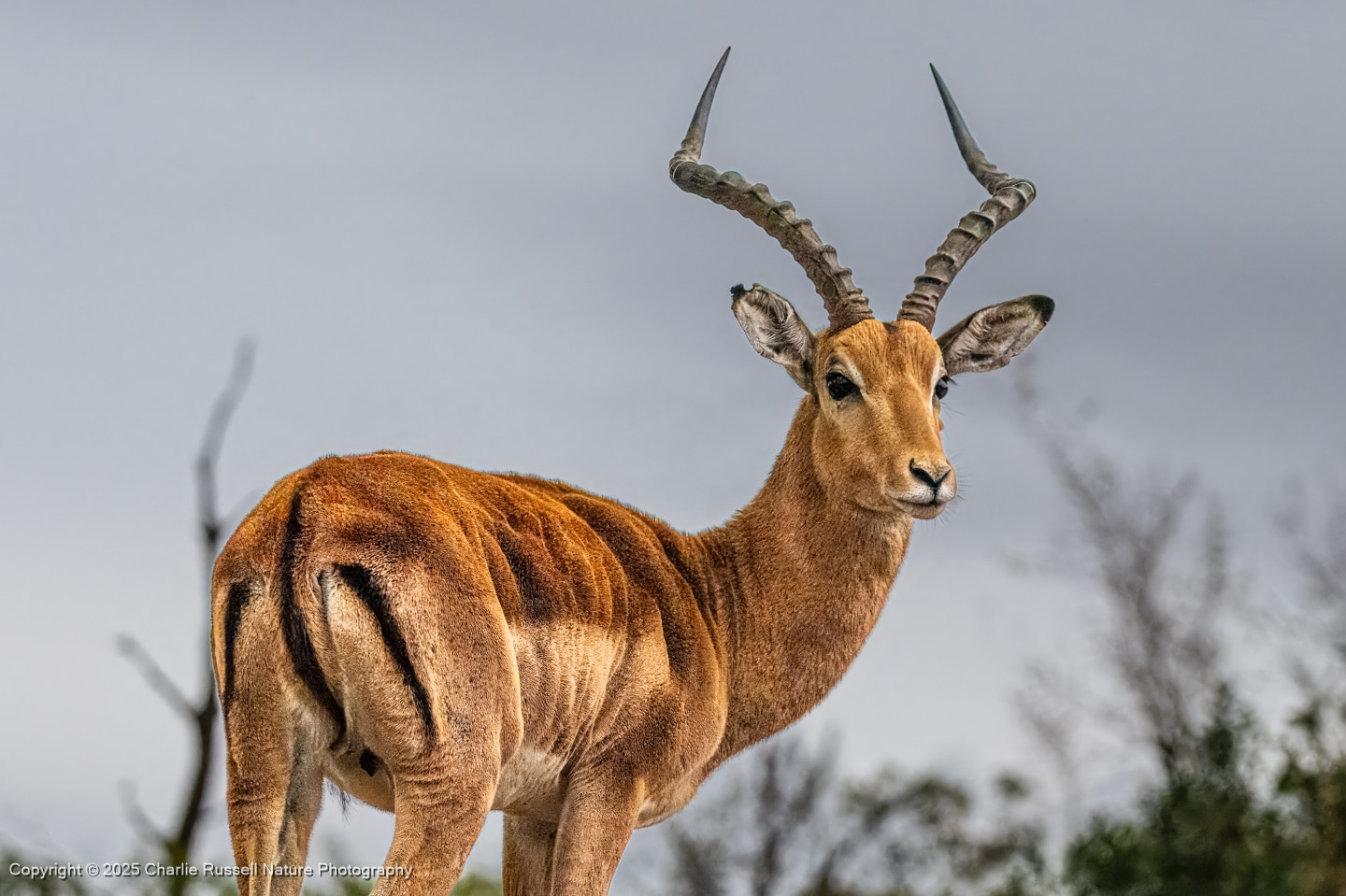
We visited South Africa in 2025 on a botany tour (more on that soon), and since it is a VERY long flight there we decided to tack on a “safari” to the eastern side to photograph wildlife. What an adventure! Our first stop was at Kruger National Park.
The Animals
There is a huge variety of wildlife in Kruger, although to find many of them you need to stay at on of the safari lodges in or near the park (rather than just taking a quick day trip), and you want an experienced local guide and tracker. Here are a few of my favorite animal photos (click on the image to see a larger view).
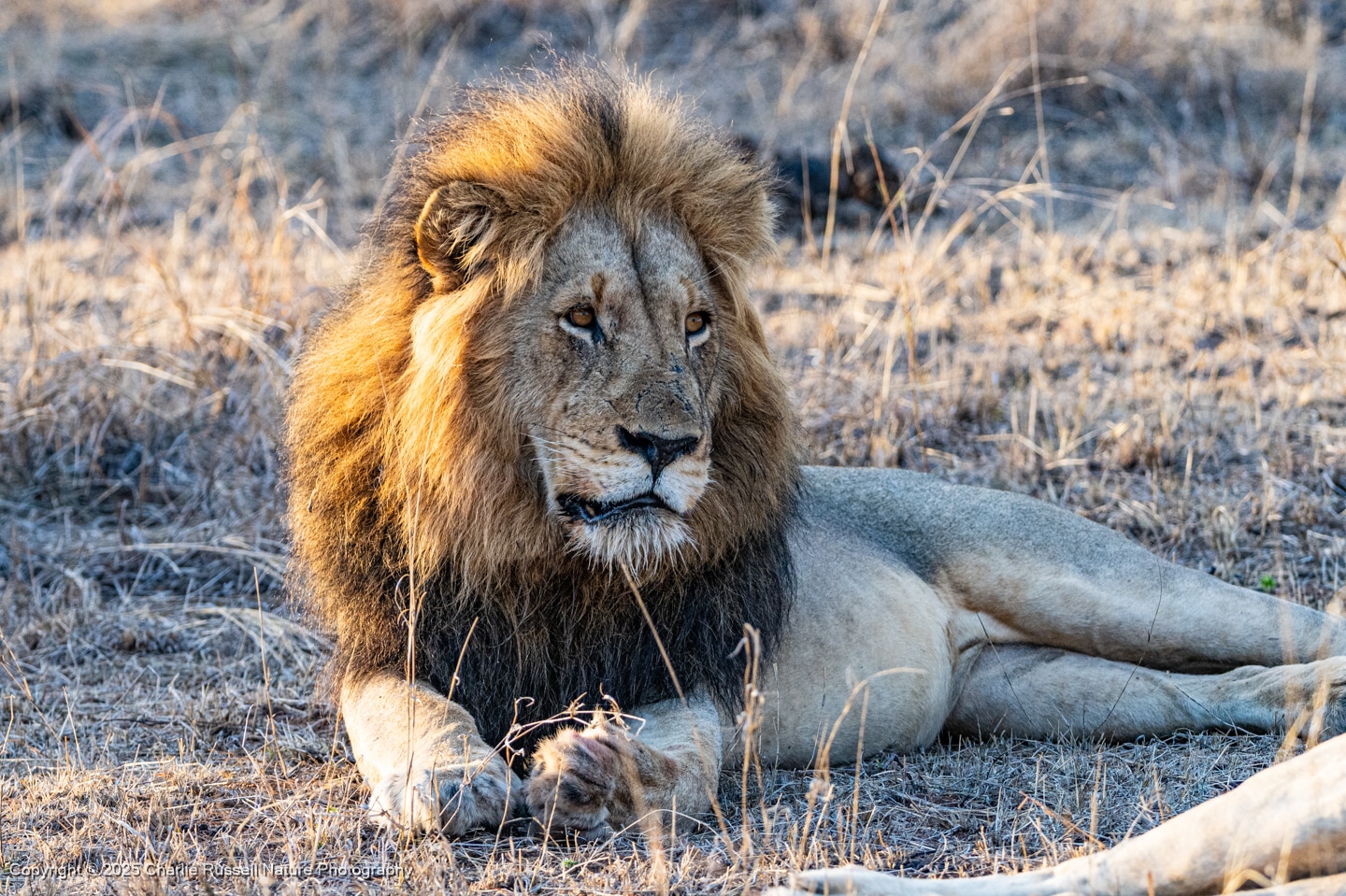
In Kruger we encountered several male Southern Lions. They were always in pairs, and we never came across any females or cubs. There was a turf war going on, with one dominant pair patrolling the area and at least one other pair that were trying to move in on their territory. There is strength in numbers, so if you have a partner (often a brother), it helps you maintain your territory. I believe that this photo is of one of the dominant lions for this area.
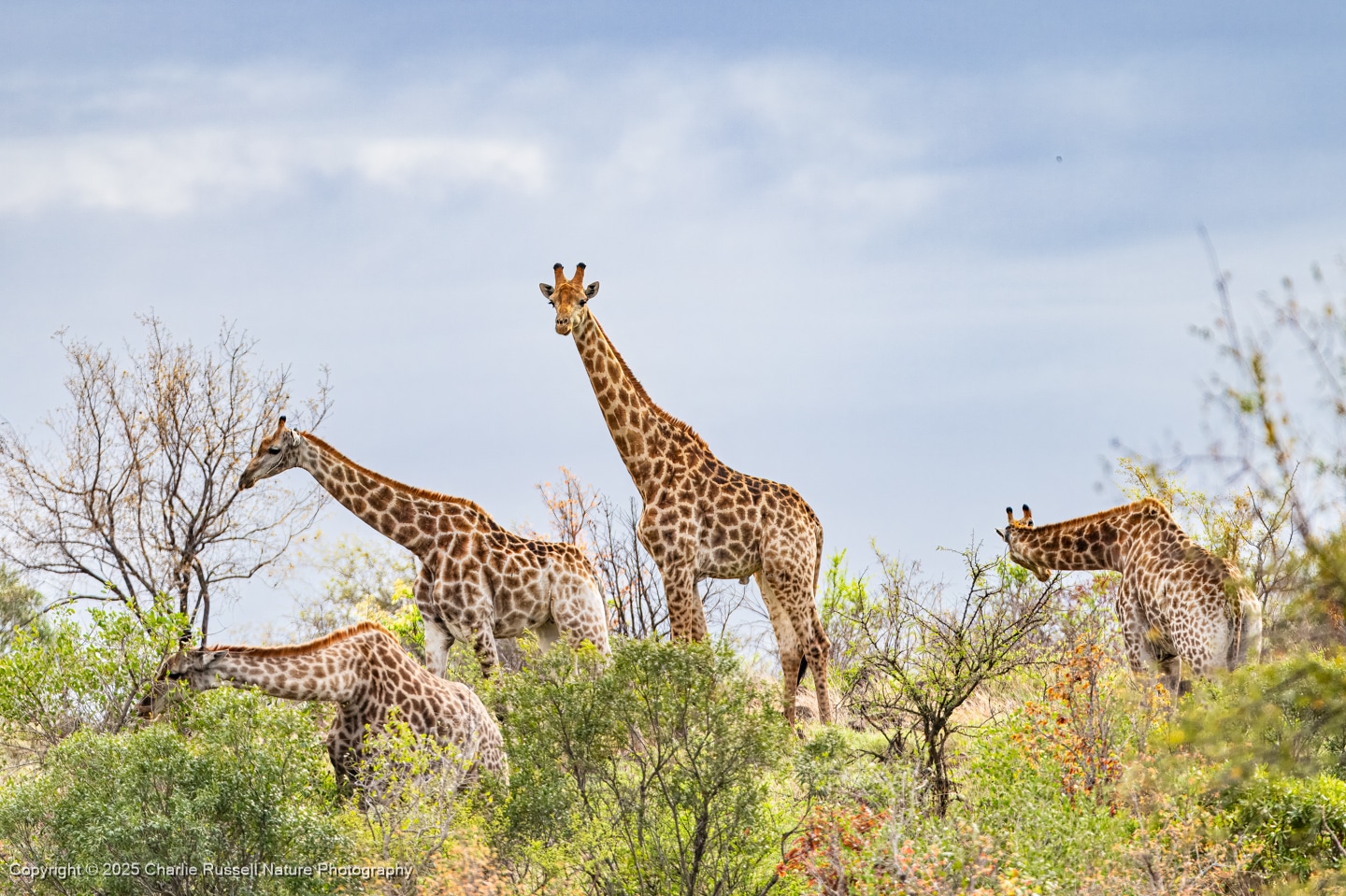
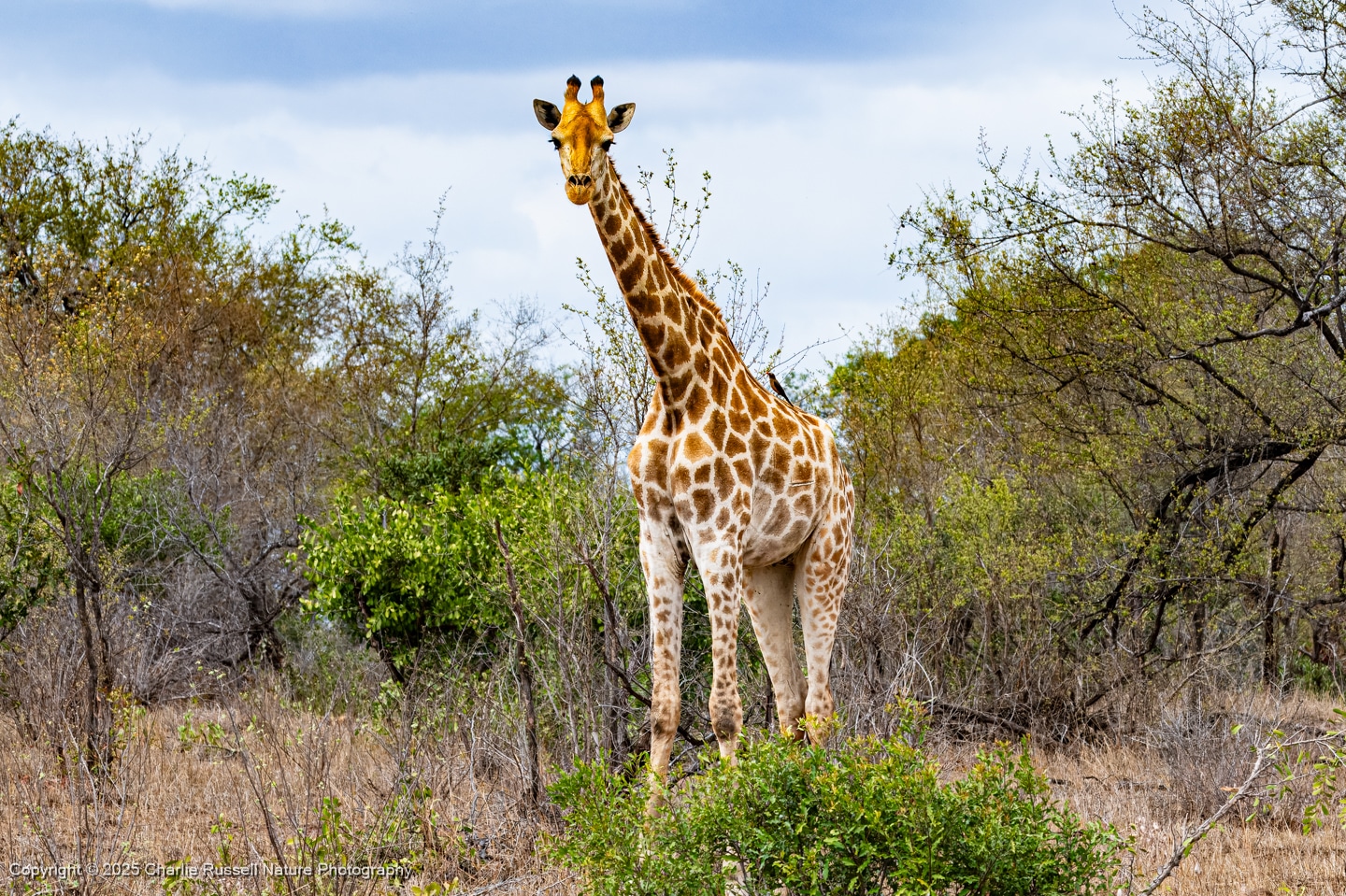
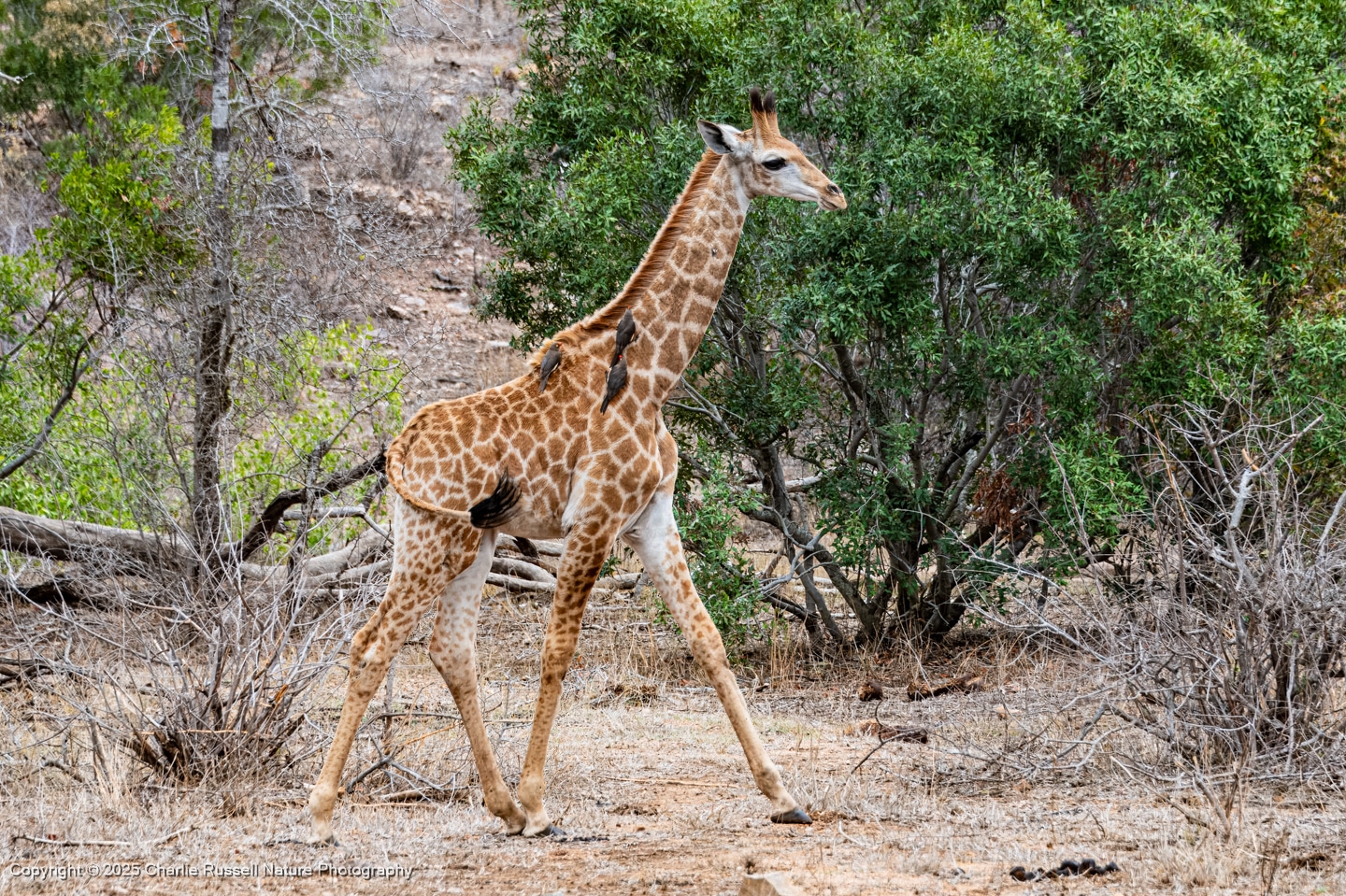
Much of the park is rolling hills covered with dense scrub, with rough roads wandering about. You can’t see a long distance, so you’ll turn a corner and suddenly come upon a surprise, such as this group of South African Giraffe. Often the animals will be right along the roadside!
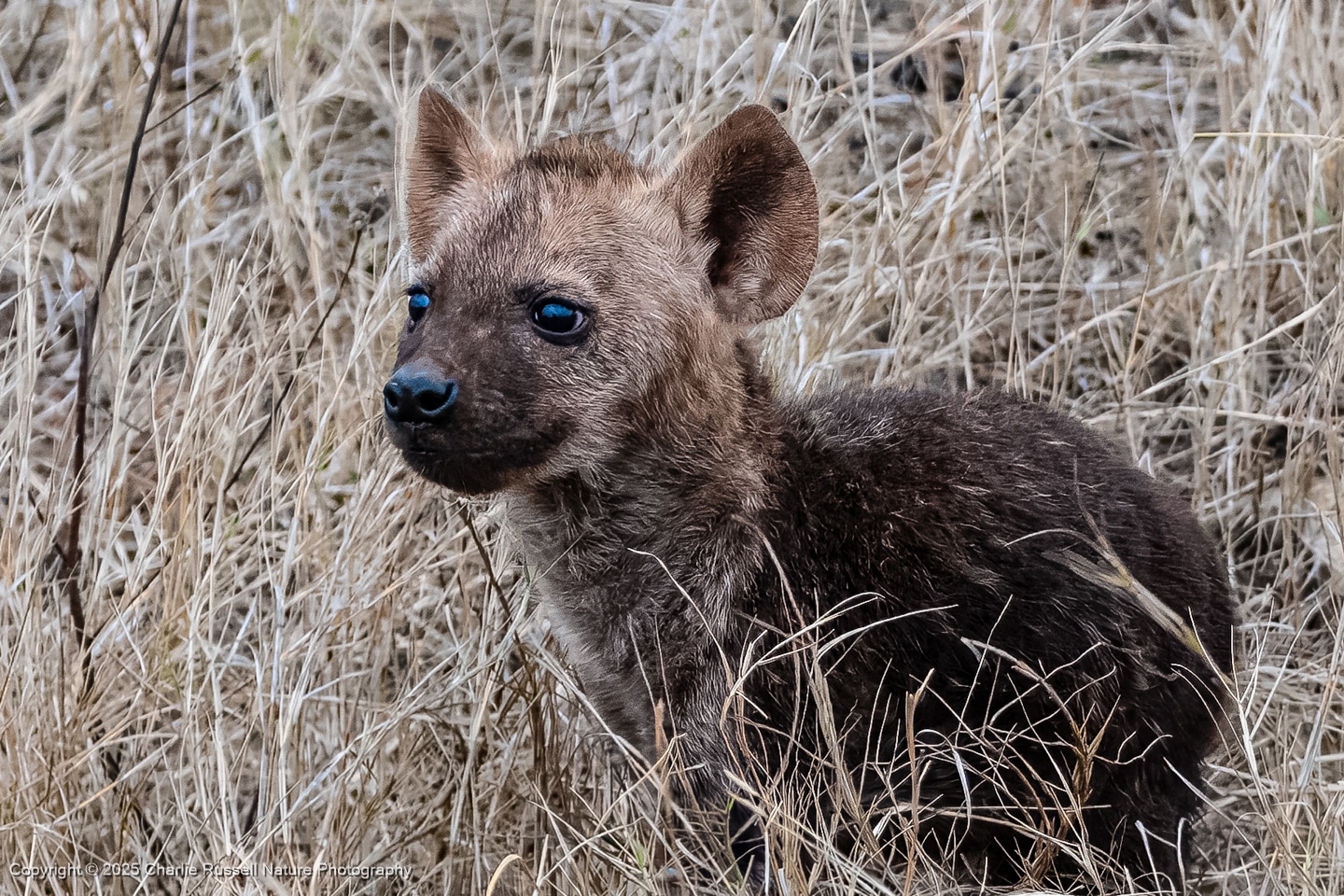
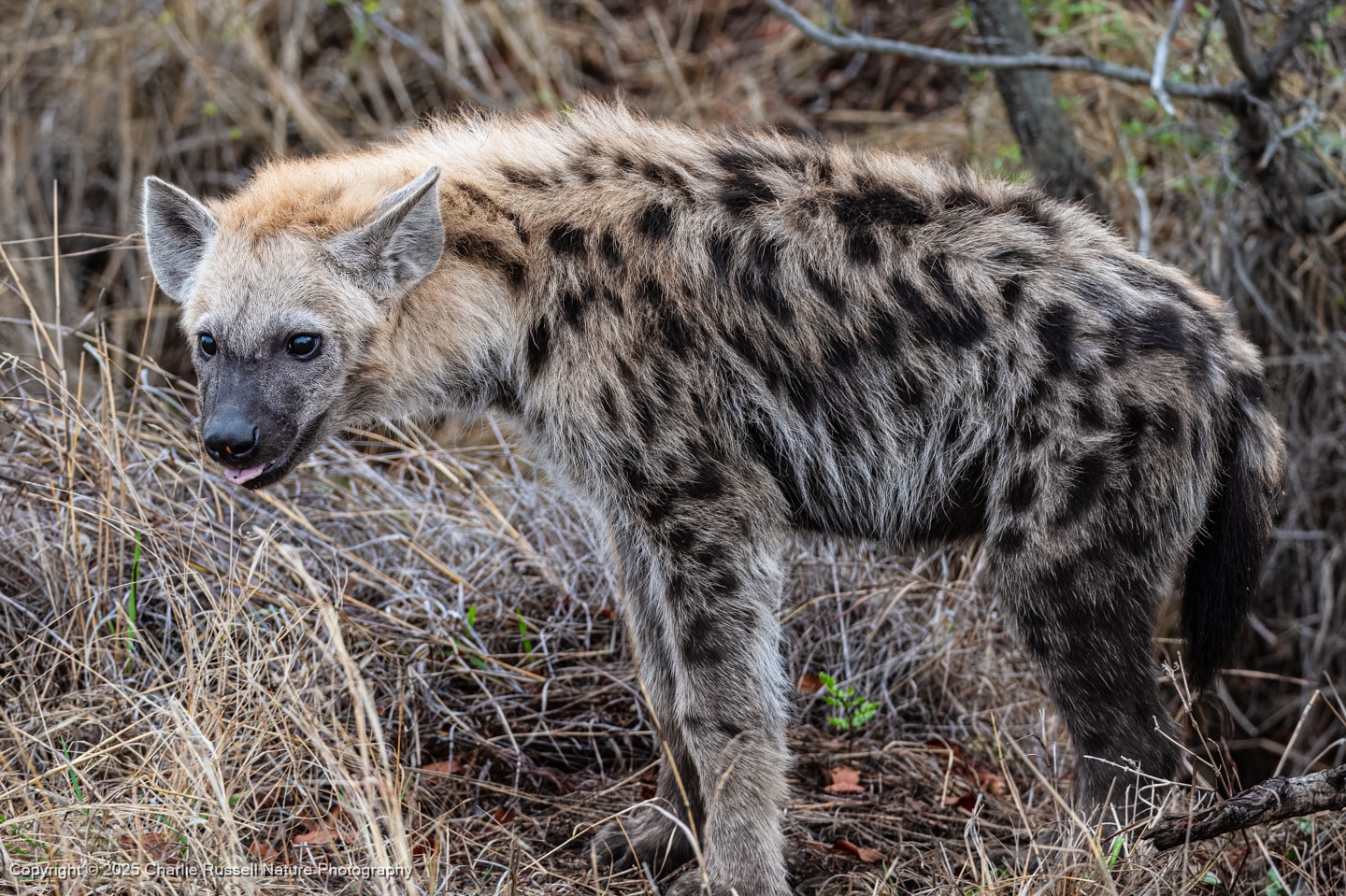
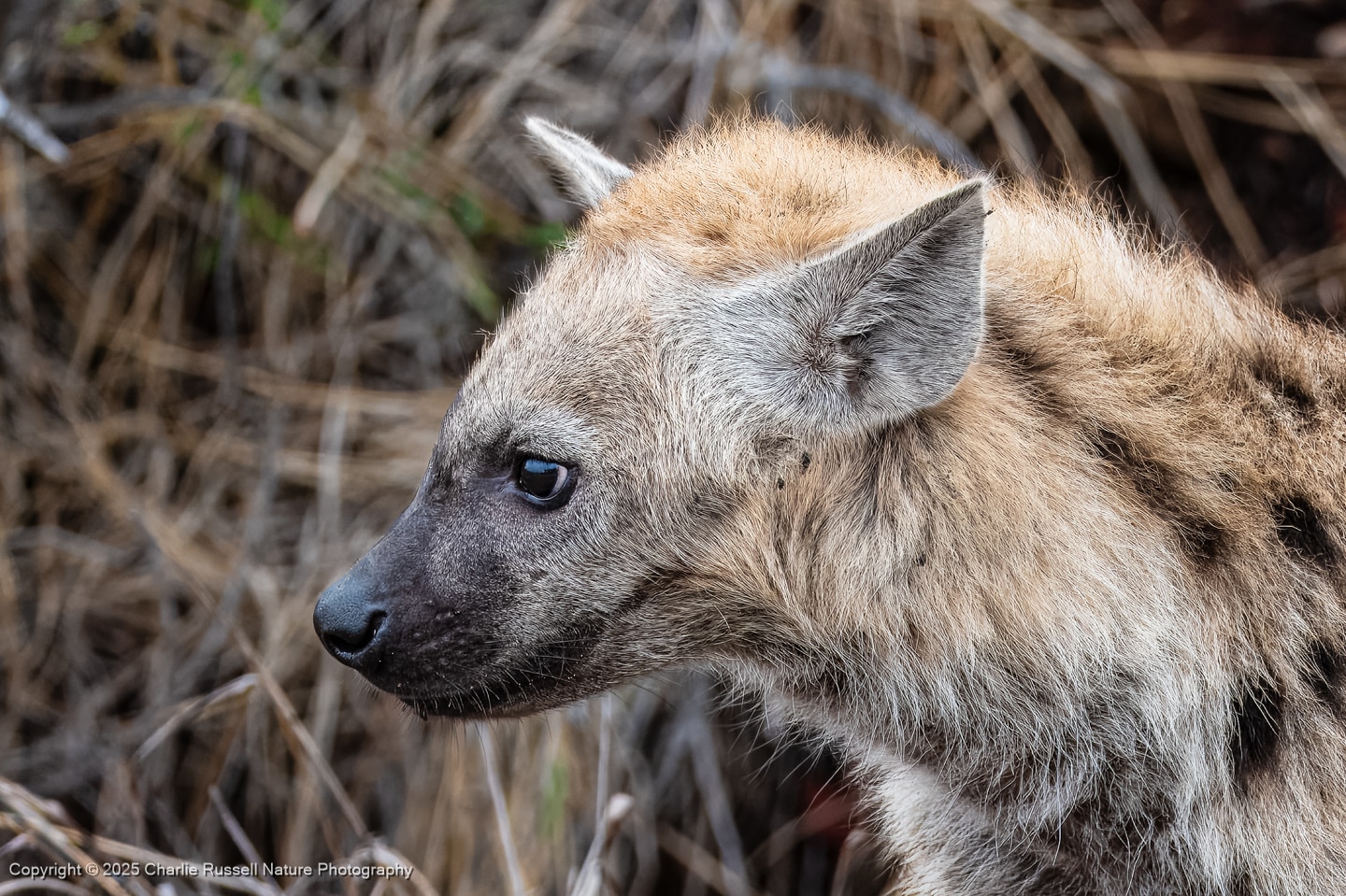
Hyenas are gnarly animals, sometimes aggressive and a bit scary. But then you find a cute hyena cub along the roadside.
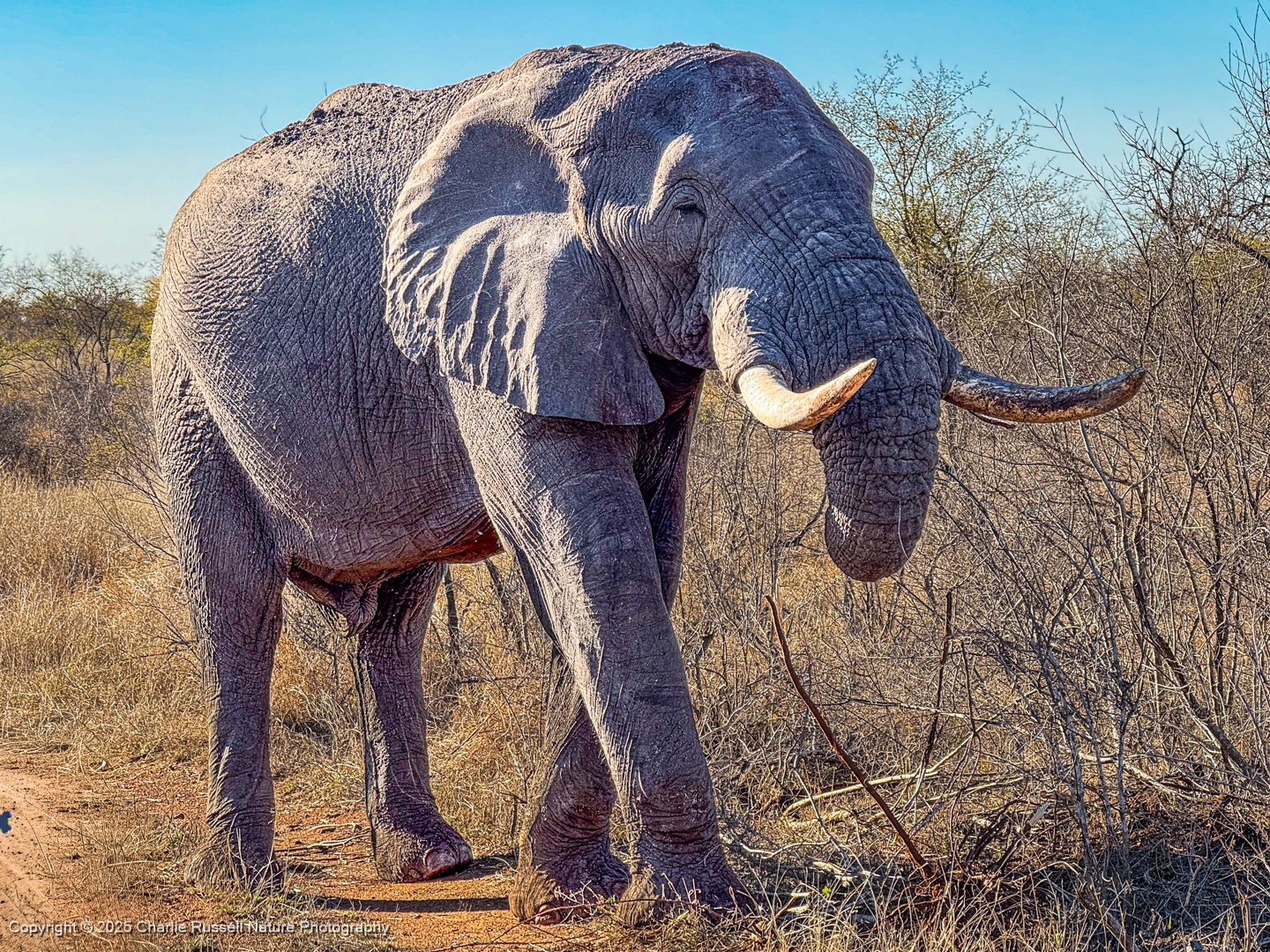
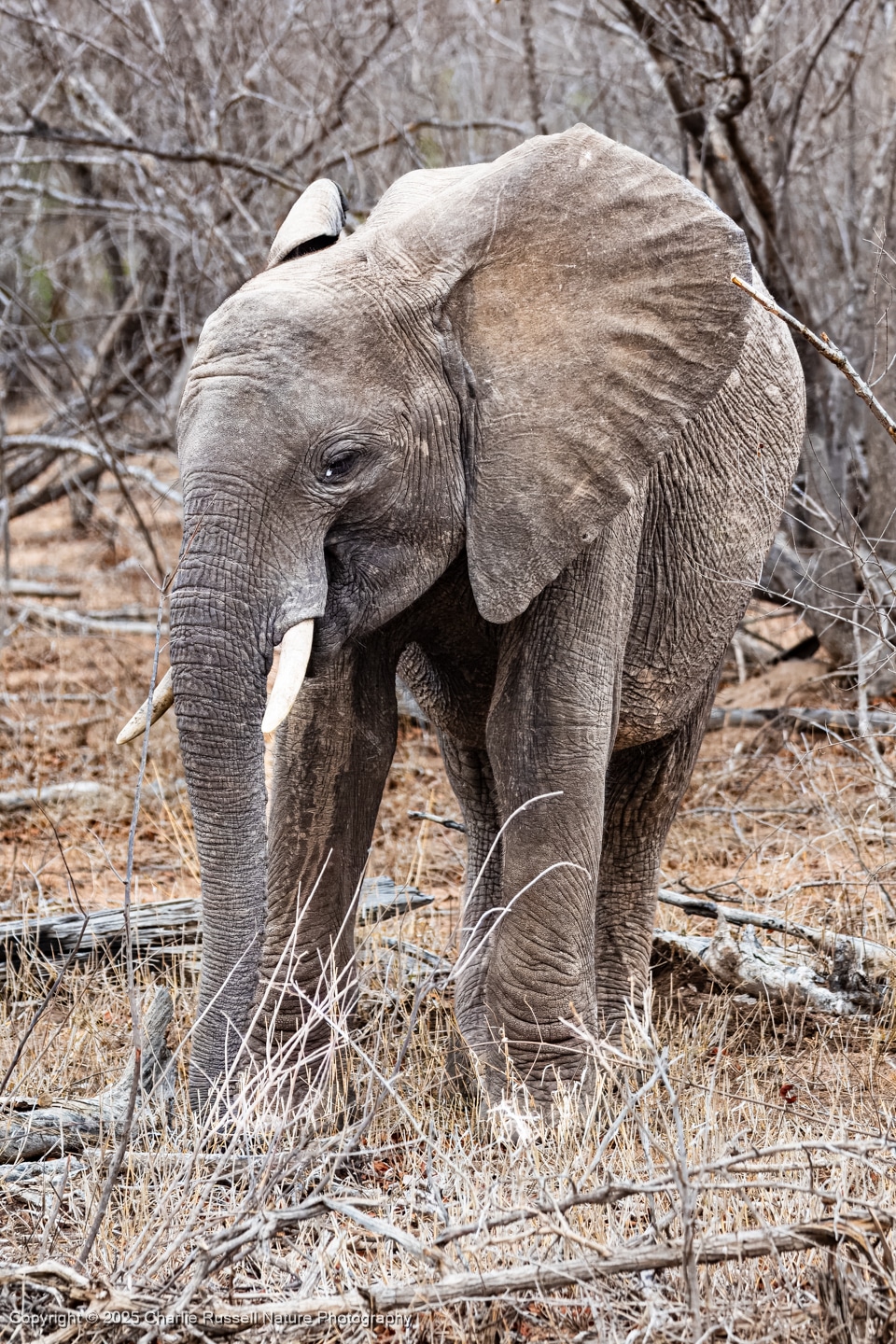
There were elephants, of course. Since you are in a national park, no hunting is allowed and there are anti-poacher patrols, so the elephants are comfortable with you approaching very close (but always in your jeep). Here’s a magnificent African Savanna Elephant walking down the road.
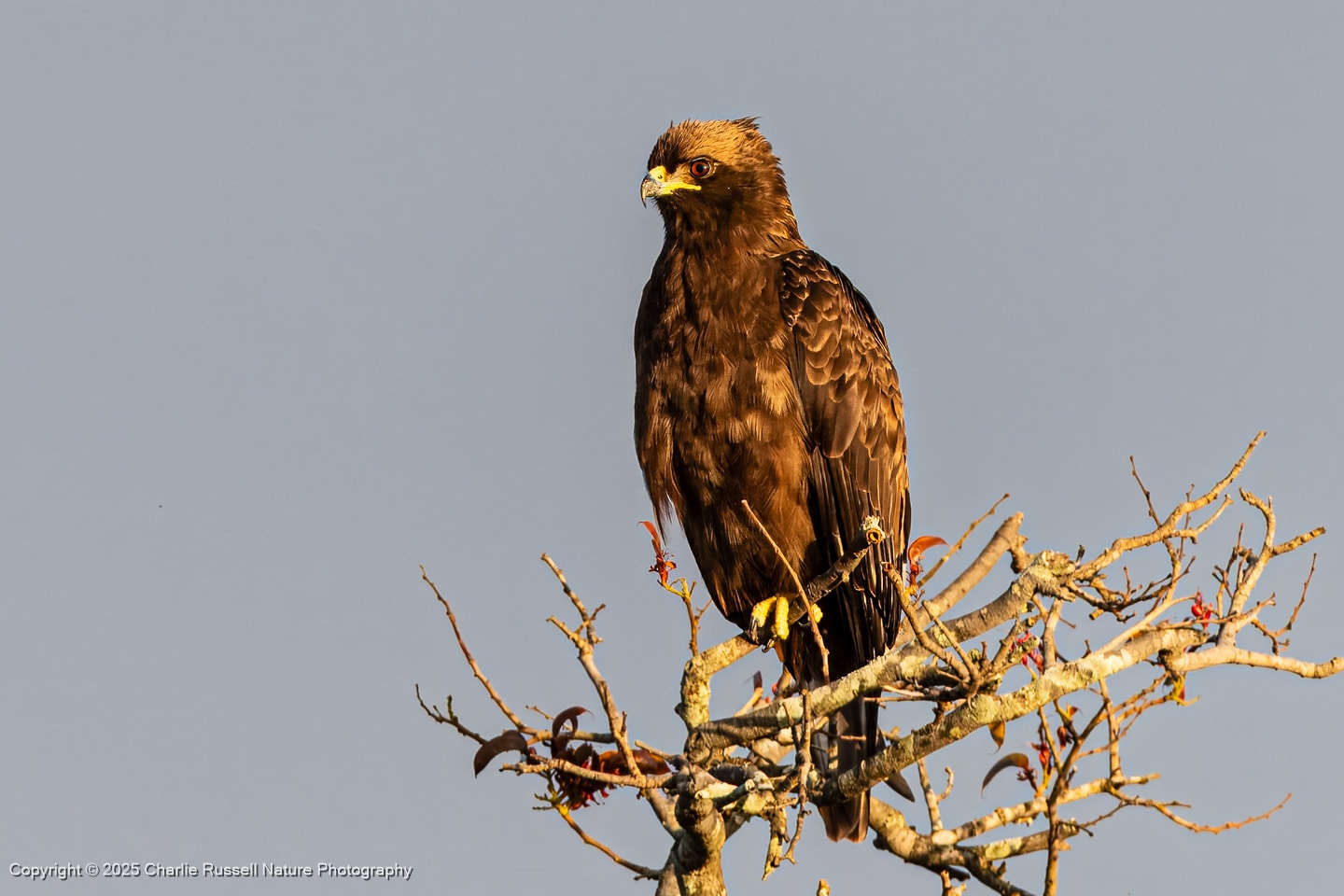
There was no shortage of birds on this trip, although it was often hard to get a clear shot. This is a Wahlberg’s Eagle.
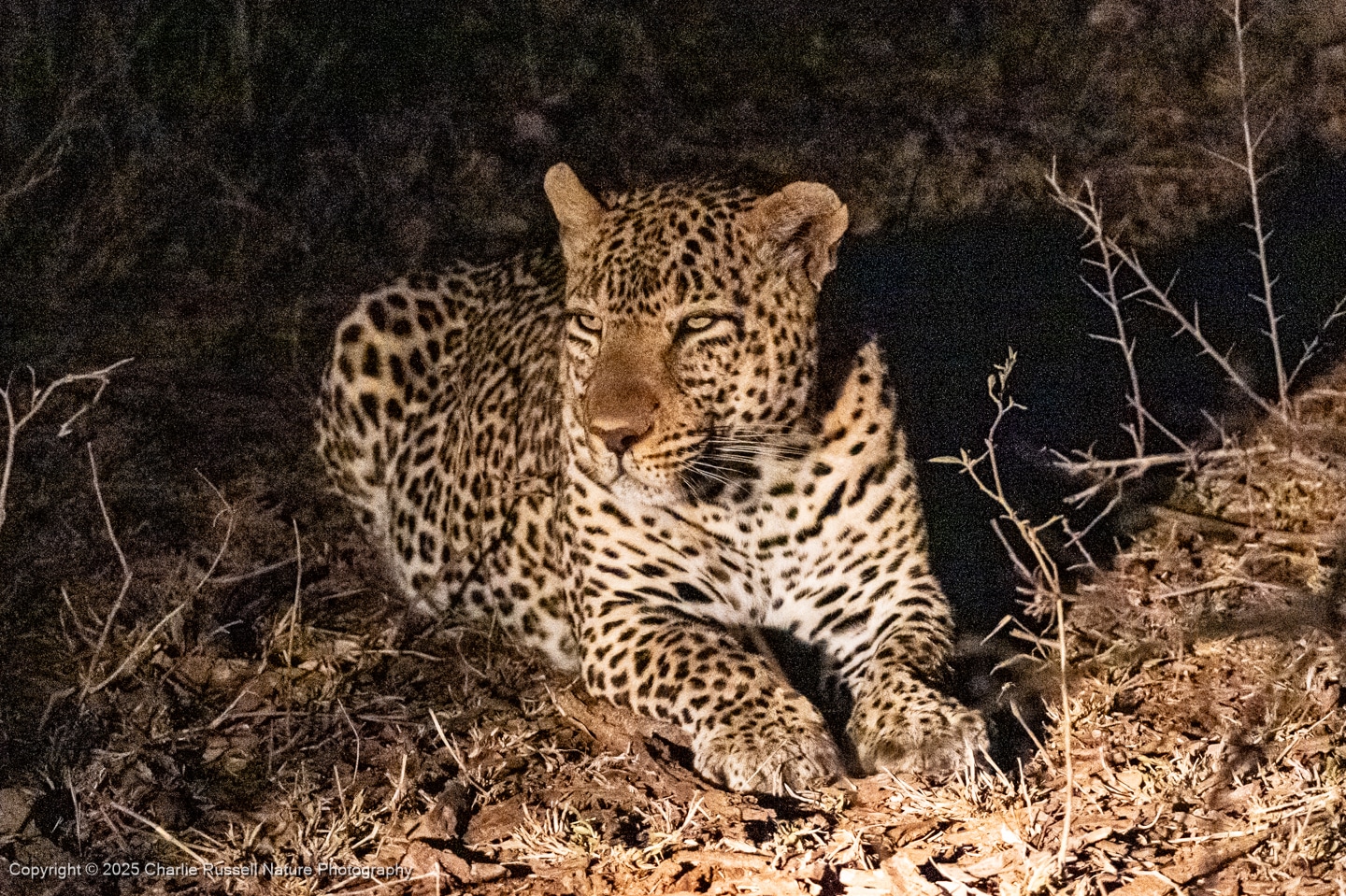
Some of our game drives continued after dark, which gave us an opportunity to see animals that we never encountered in the daylight. I was very excited to see this African Leopard!
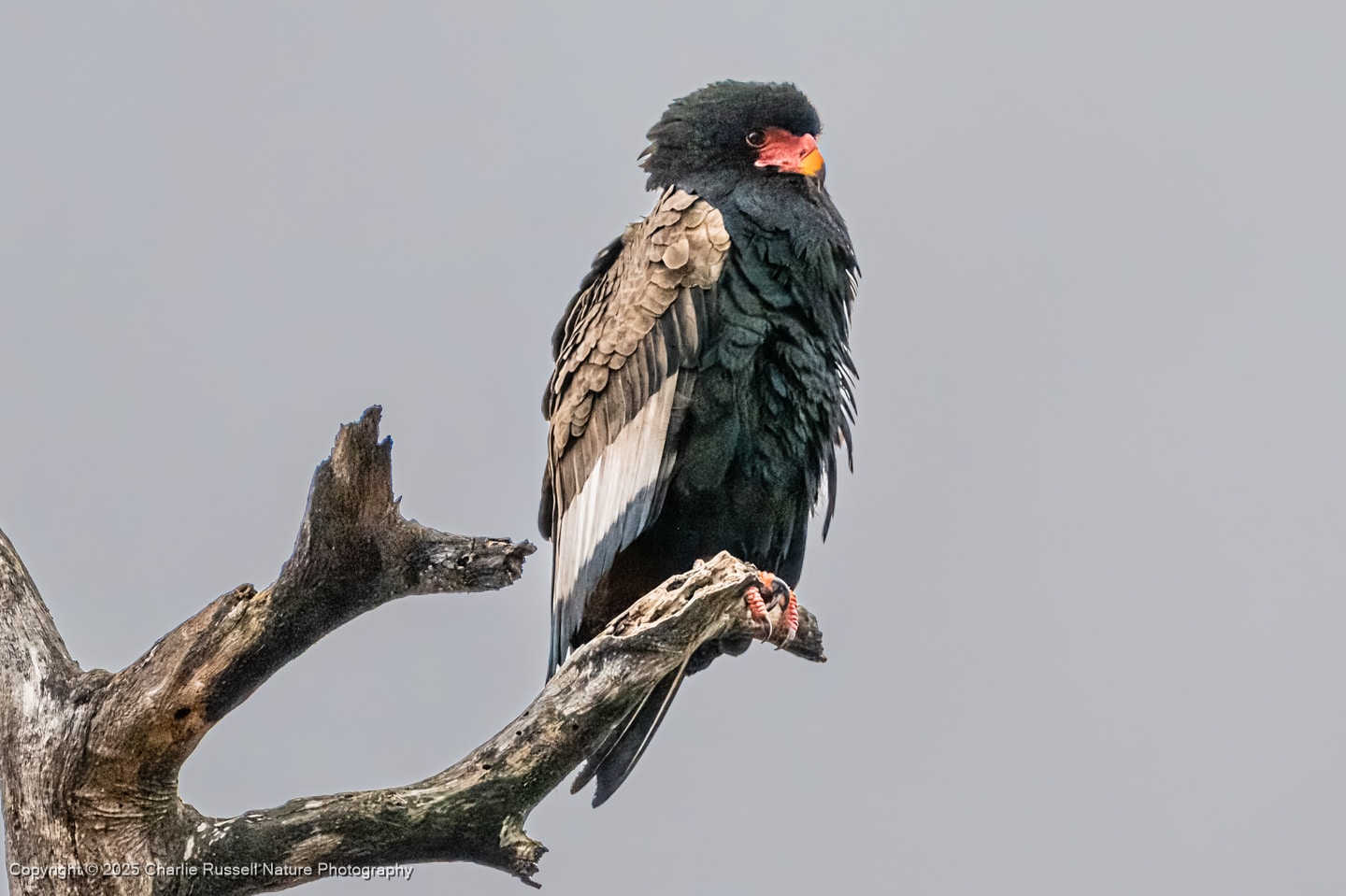
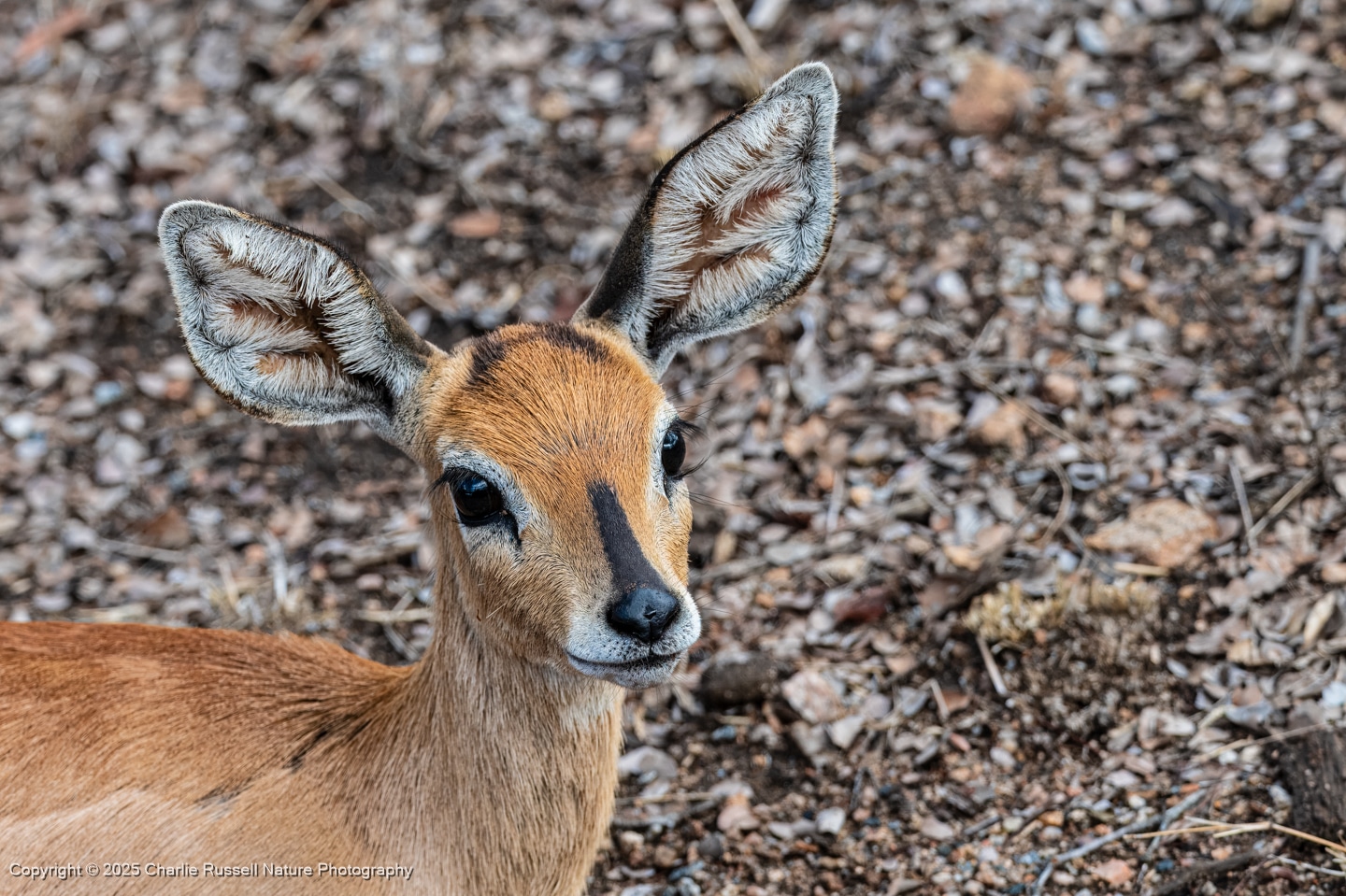
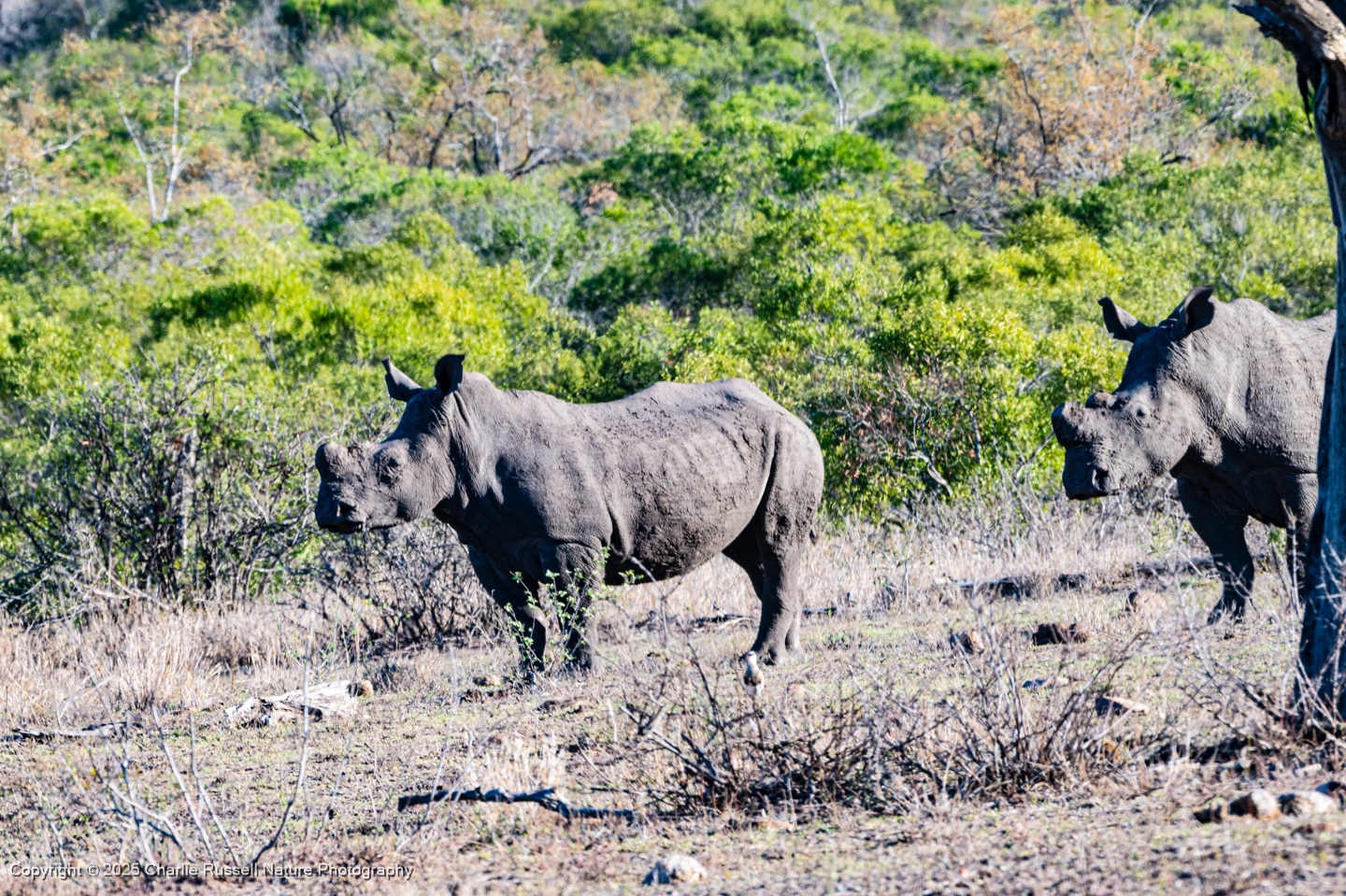
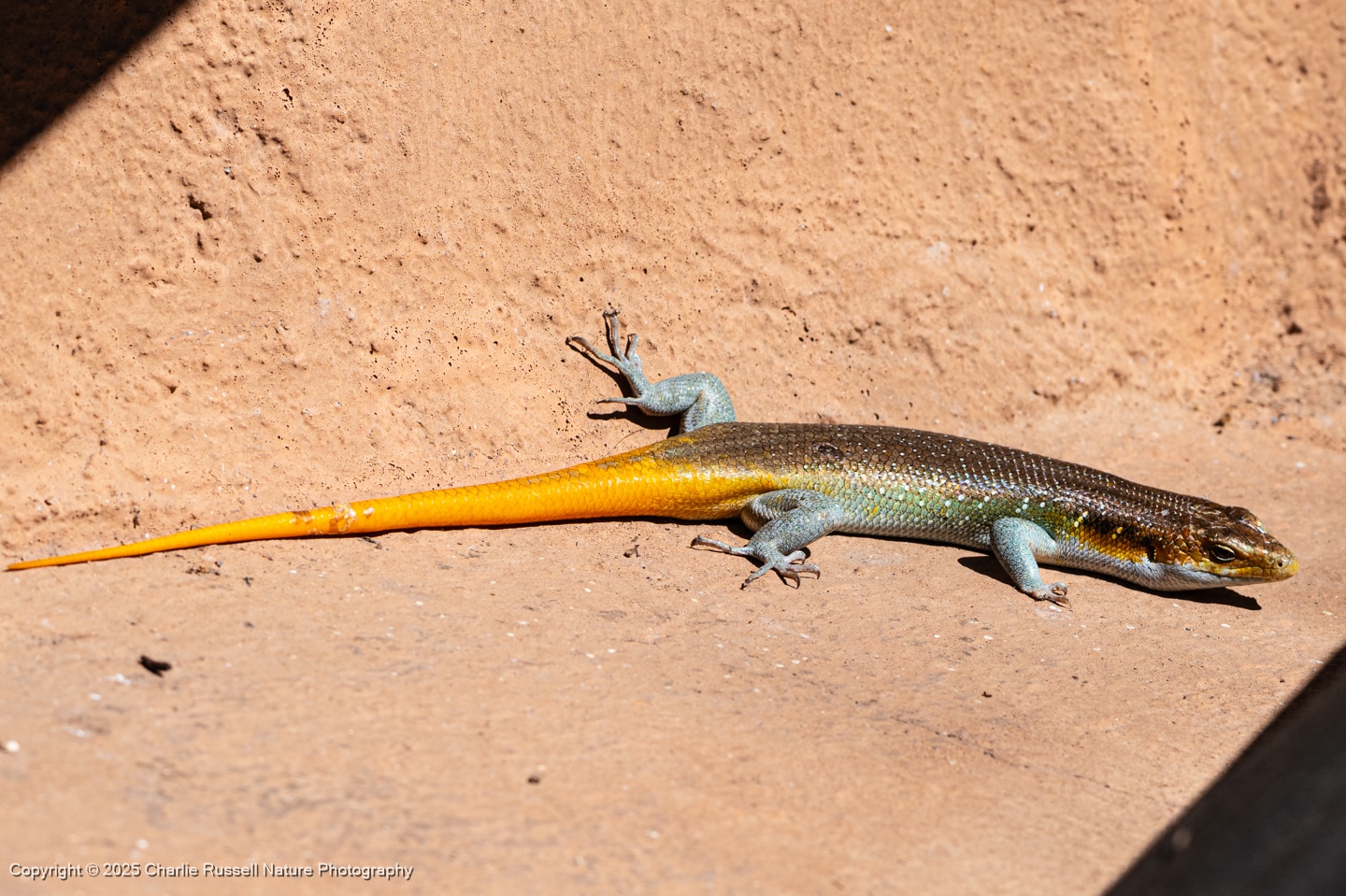
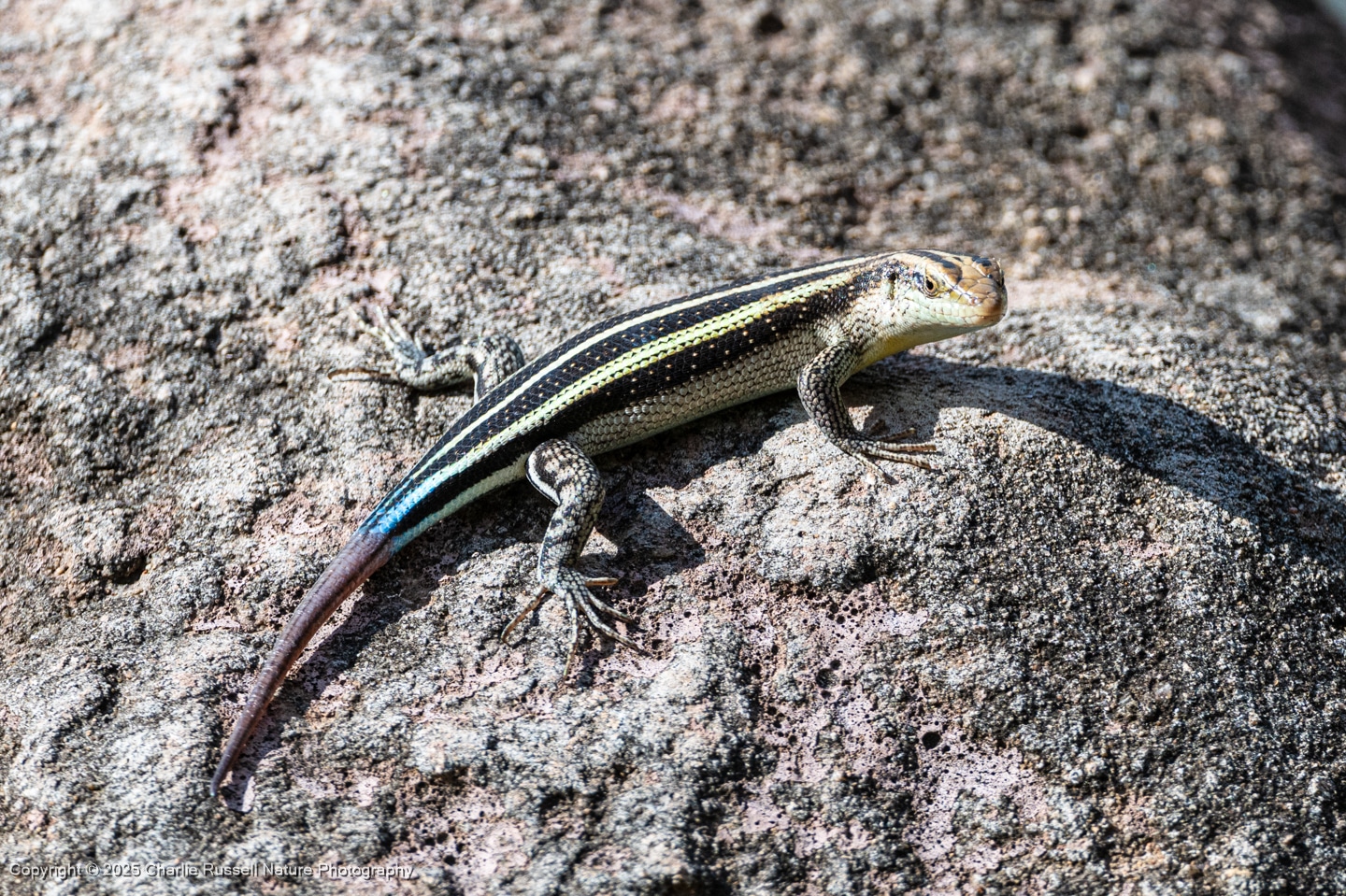
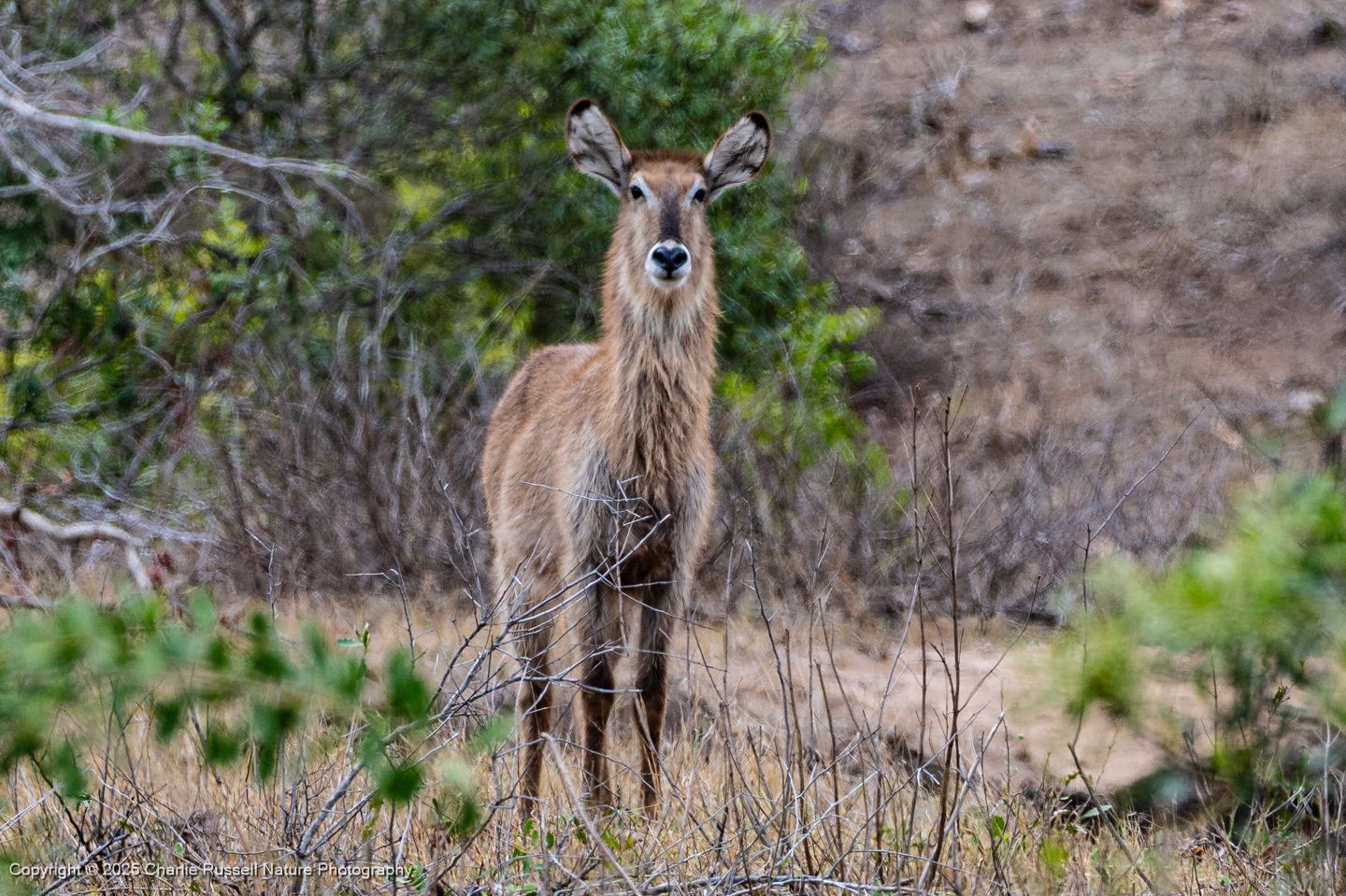
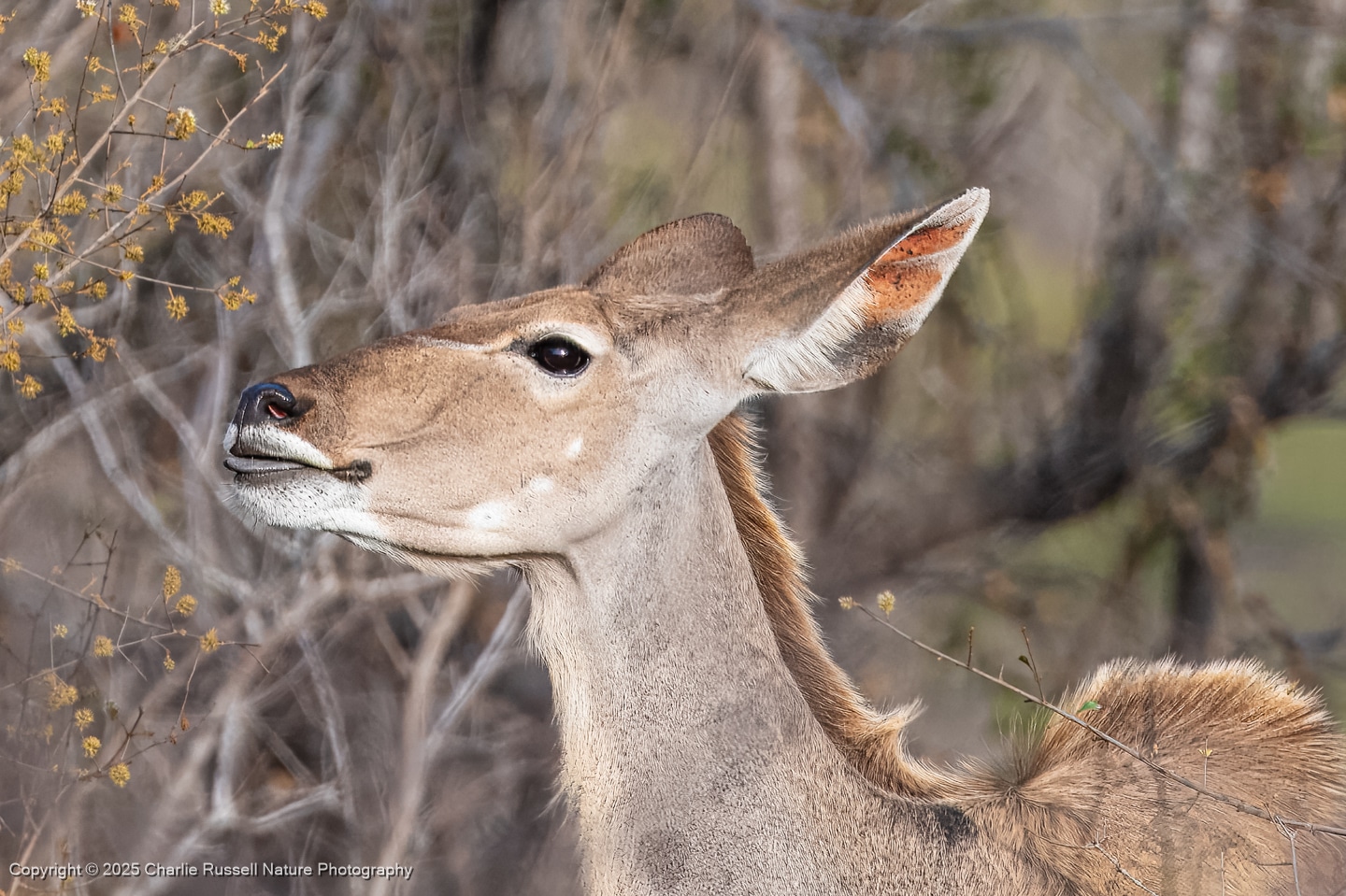
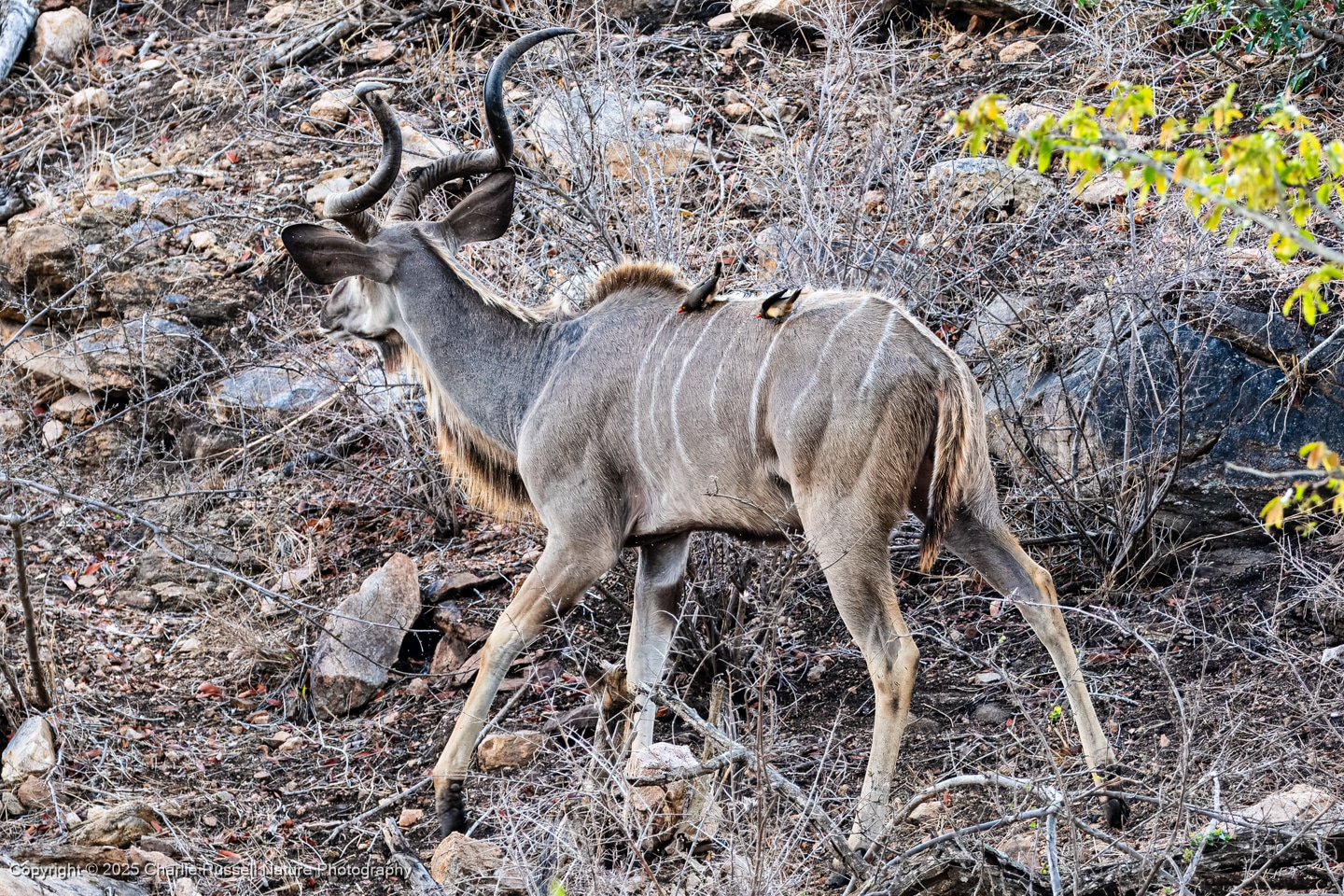
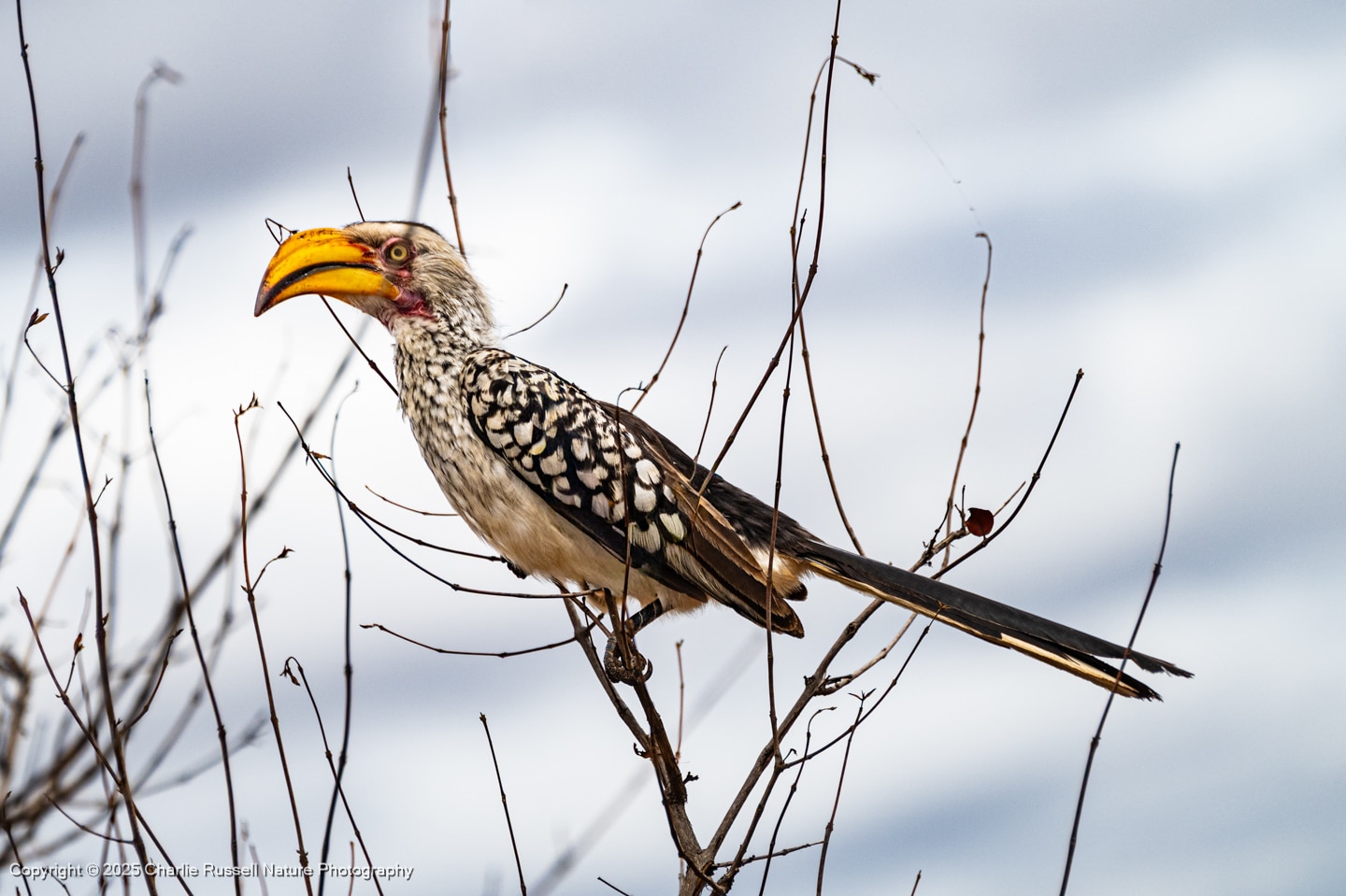
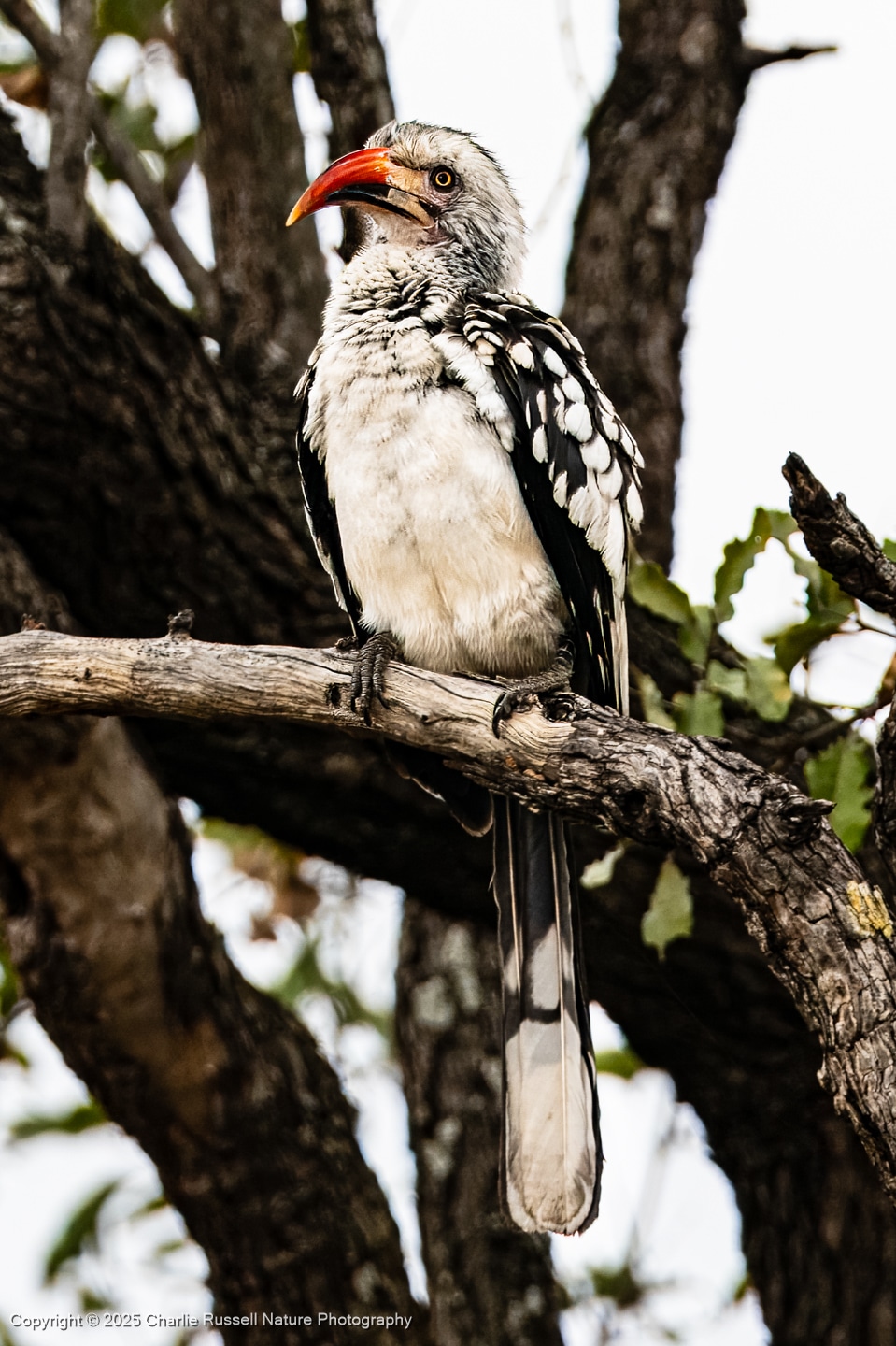
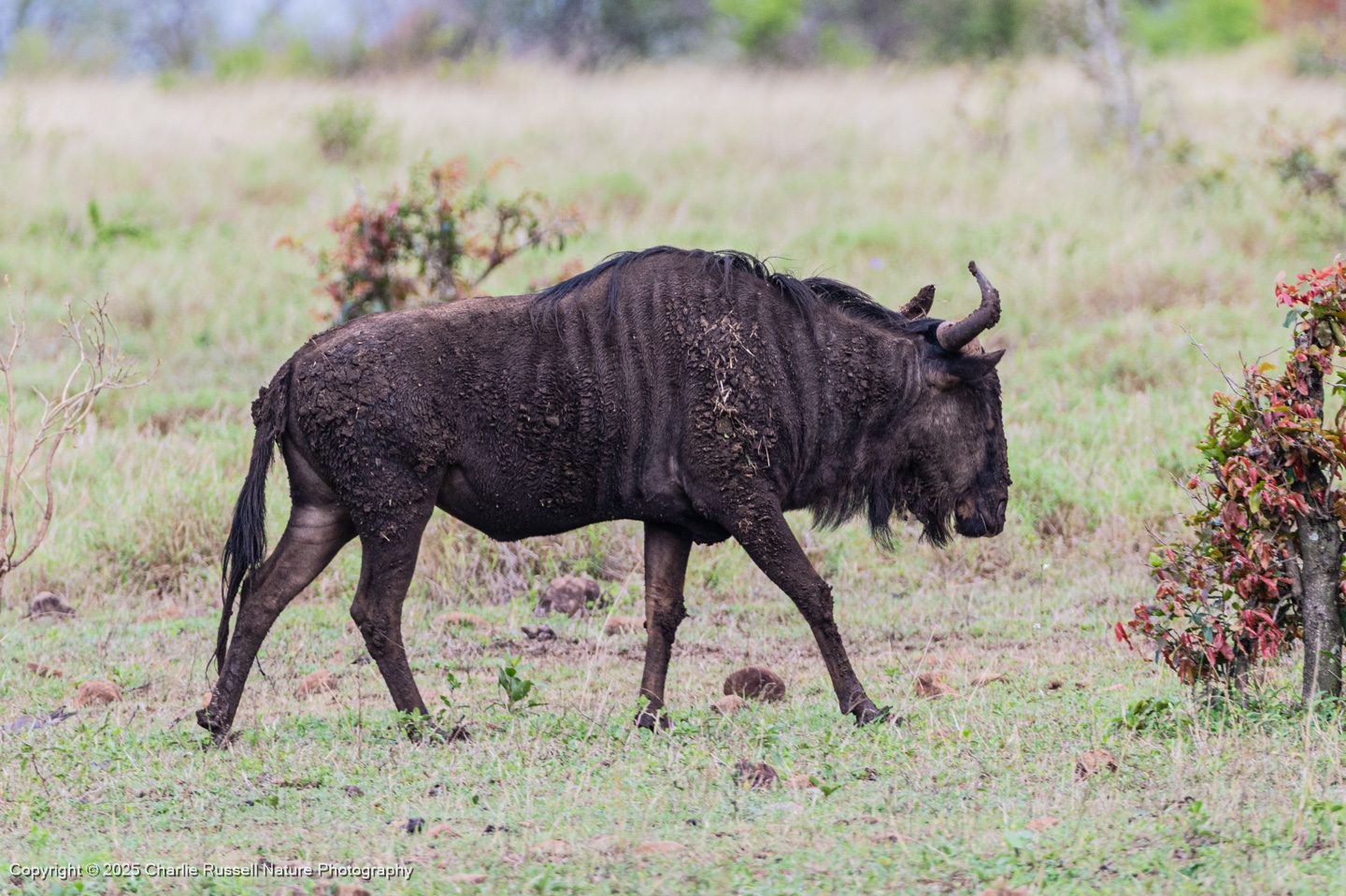
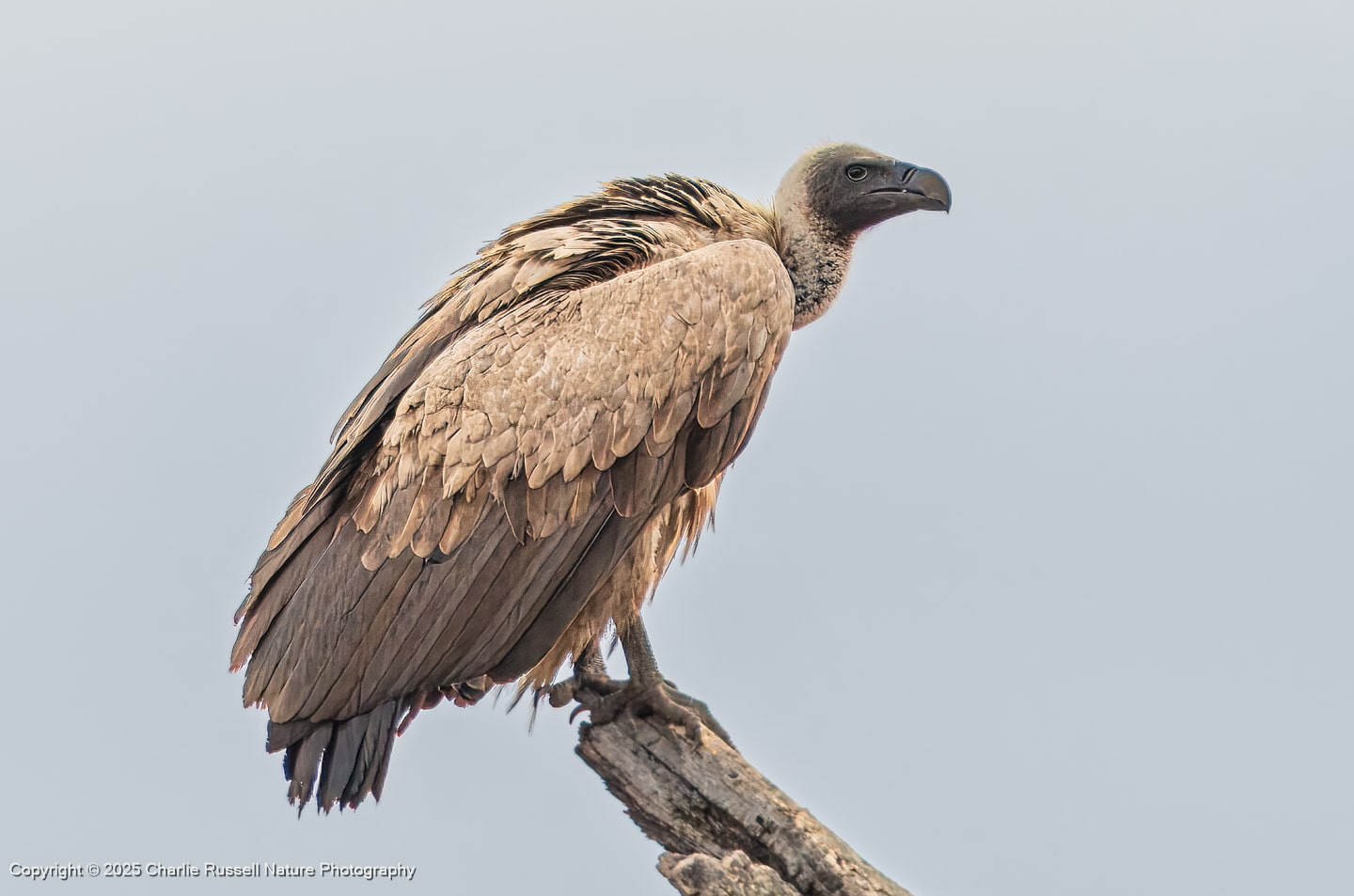
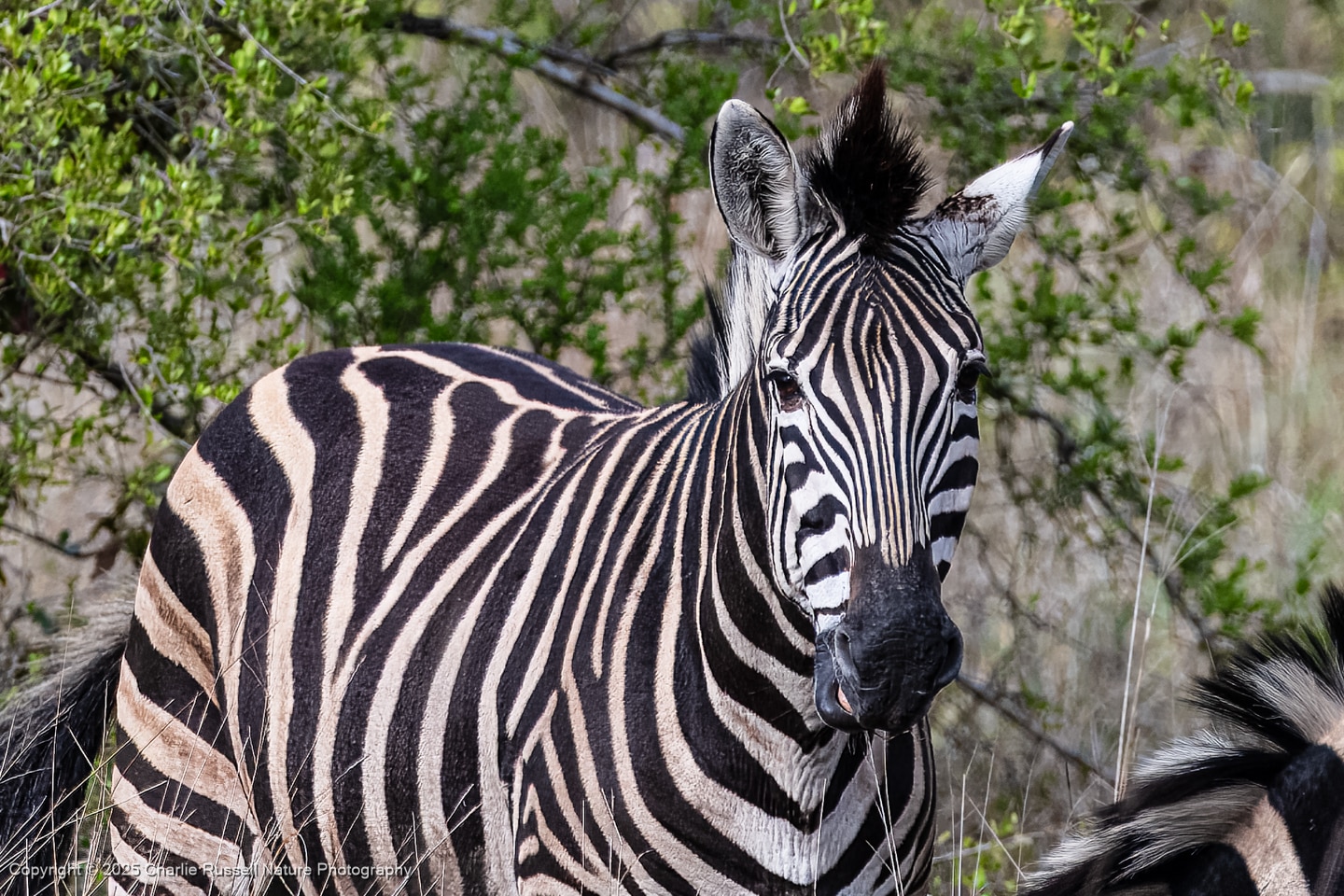
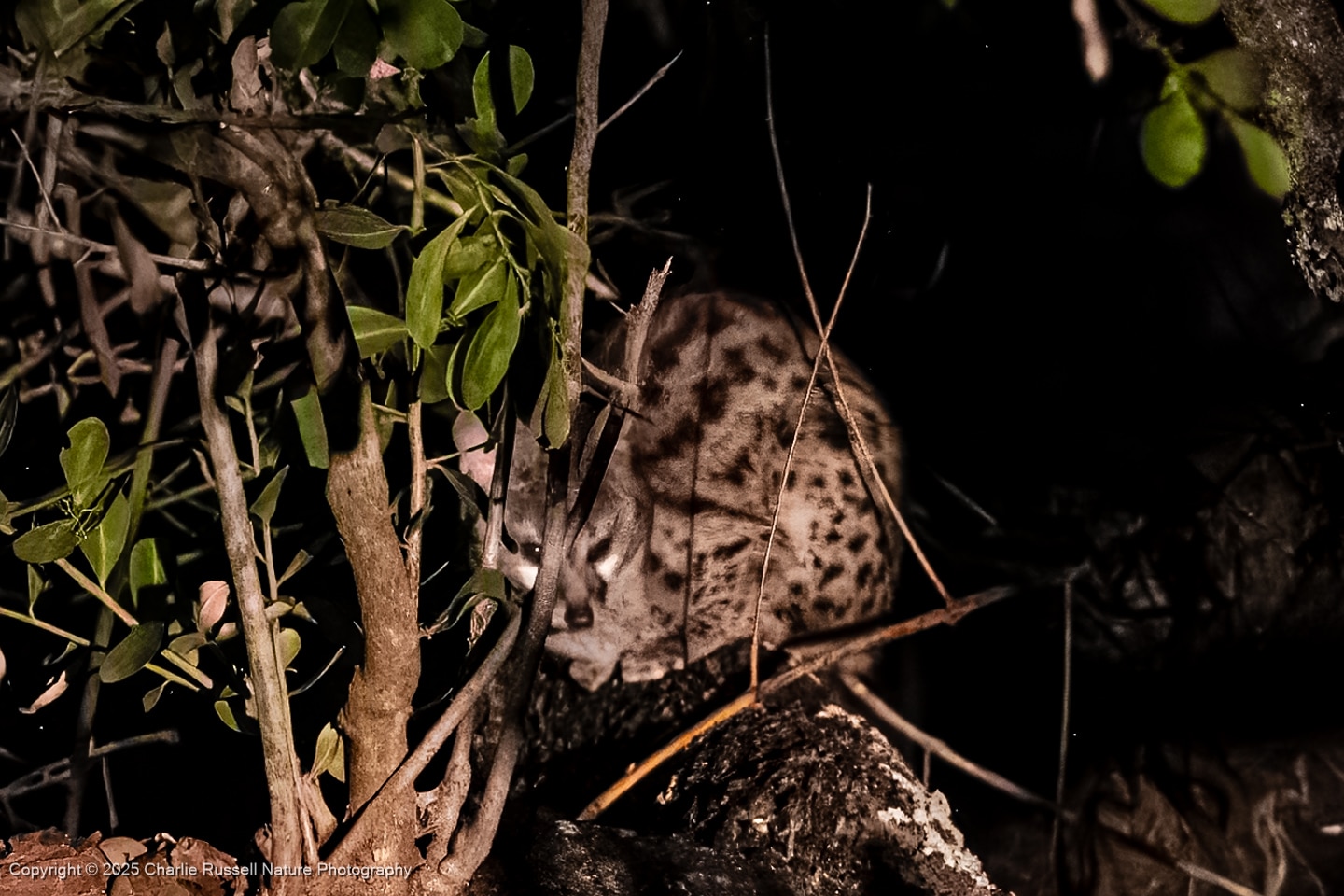
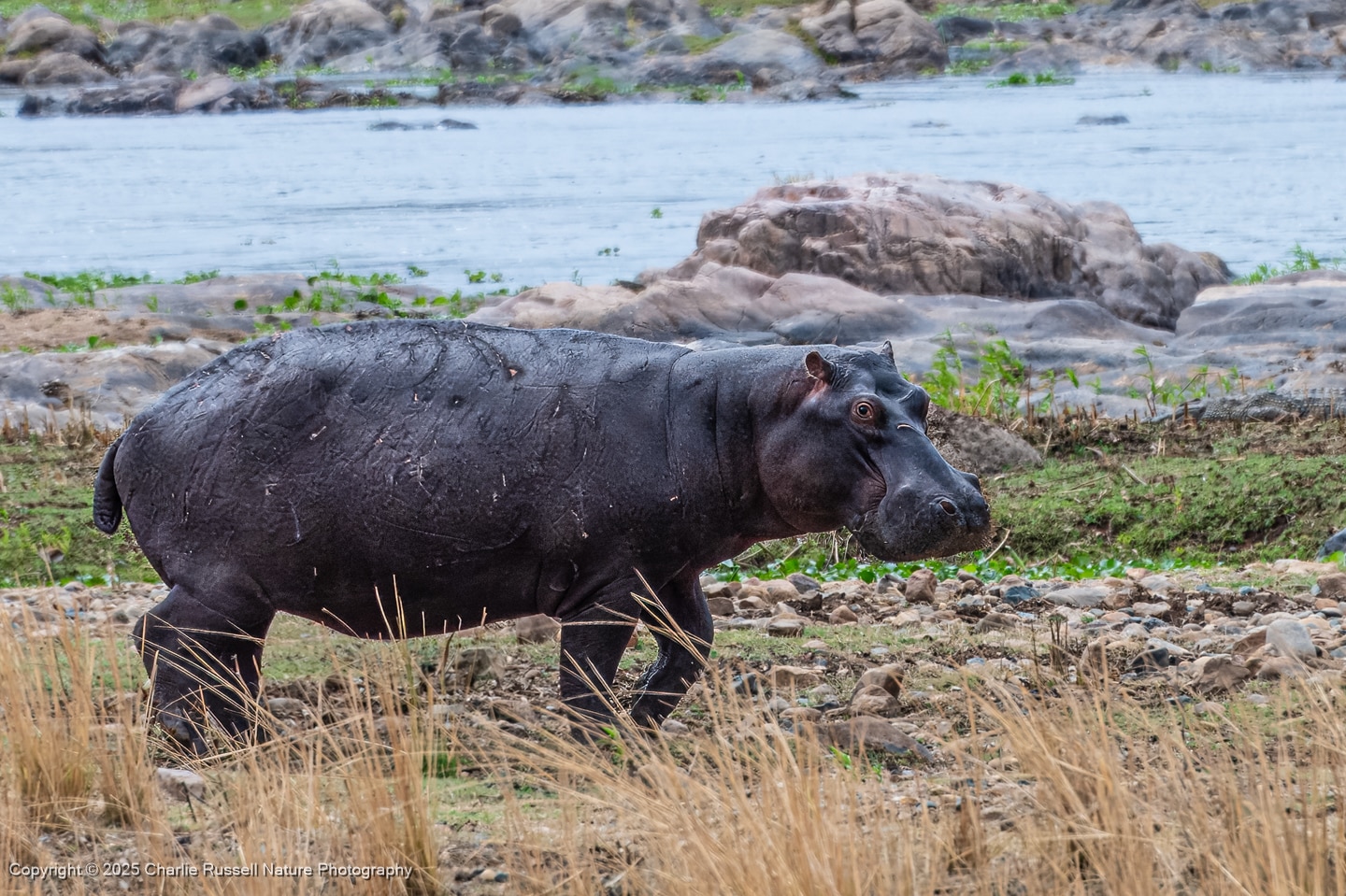
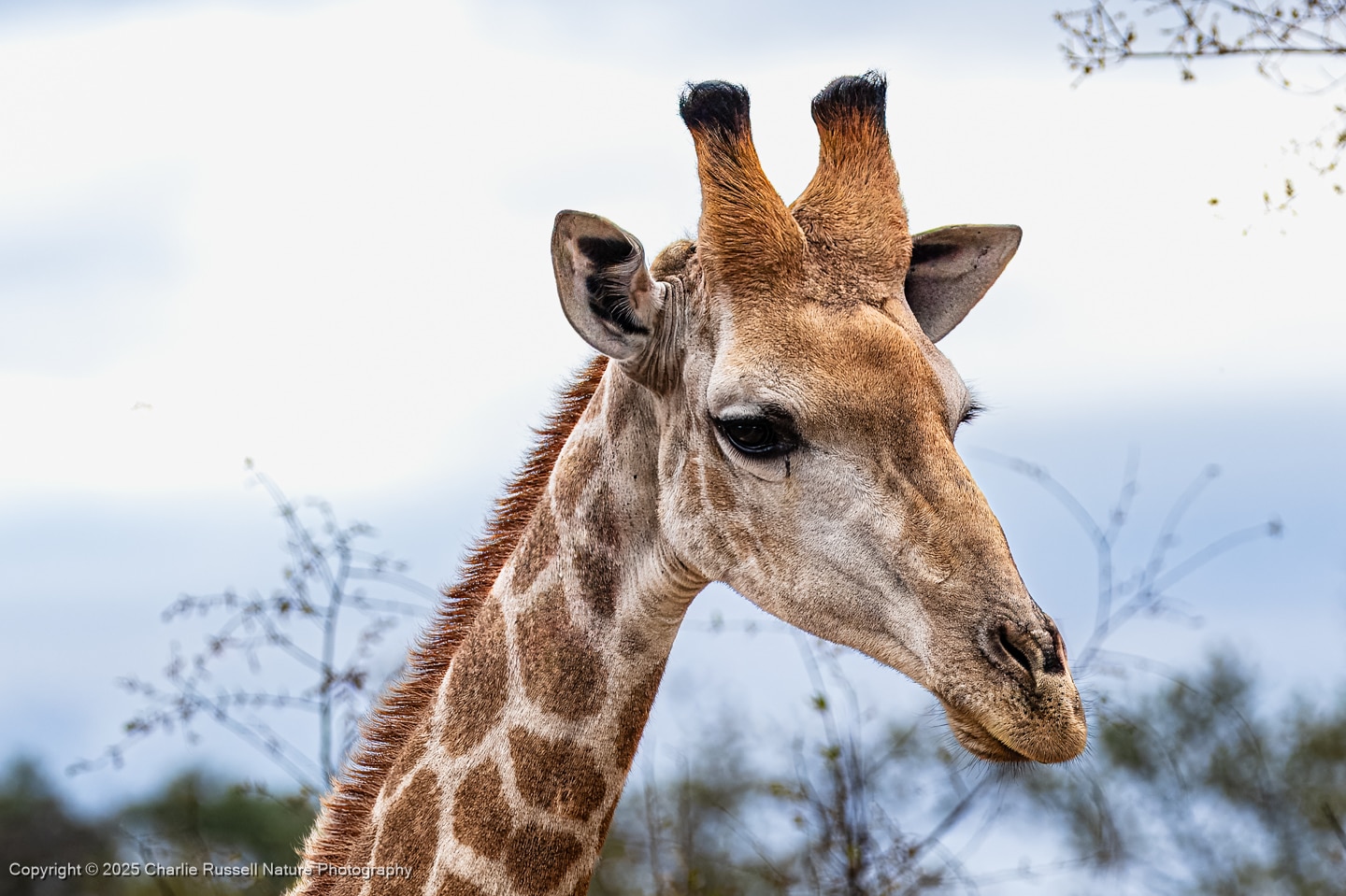
Here’s a gallery of photos of many of the animals we encountered over the 2 1/2 days of game drives at Kruger. For the best viewing experience, click on the lightbox image below, and you can scroll through larger versions of the photos. All photos are available for purchase in a variety of formats.
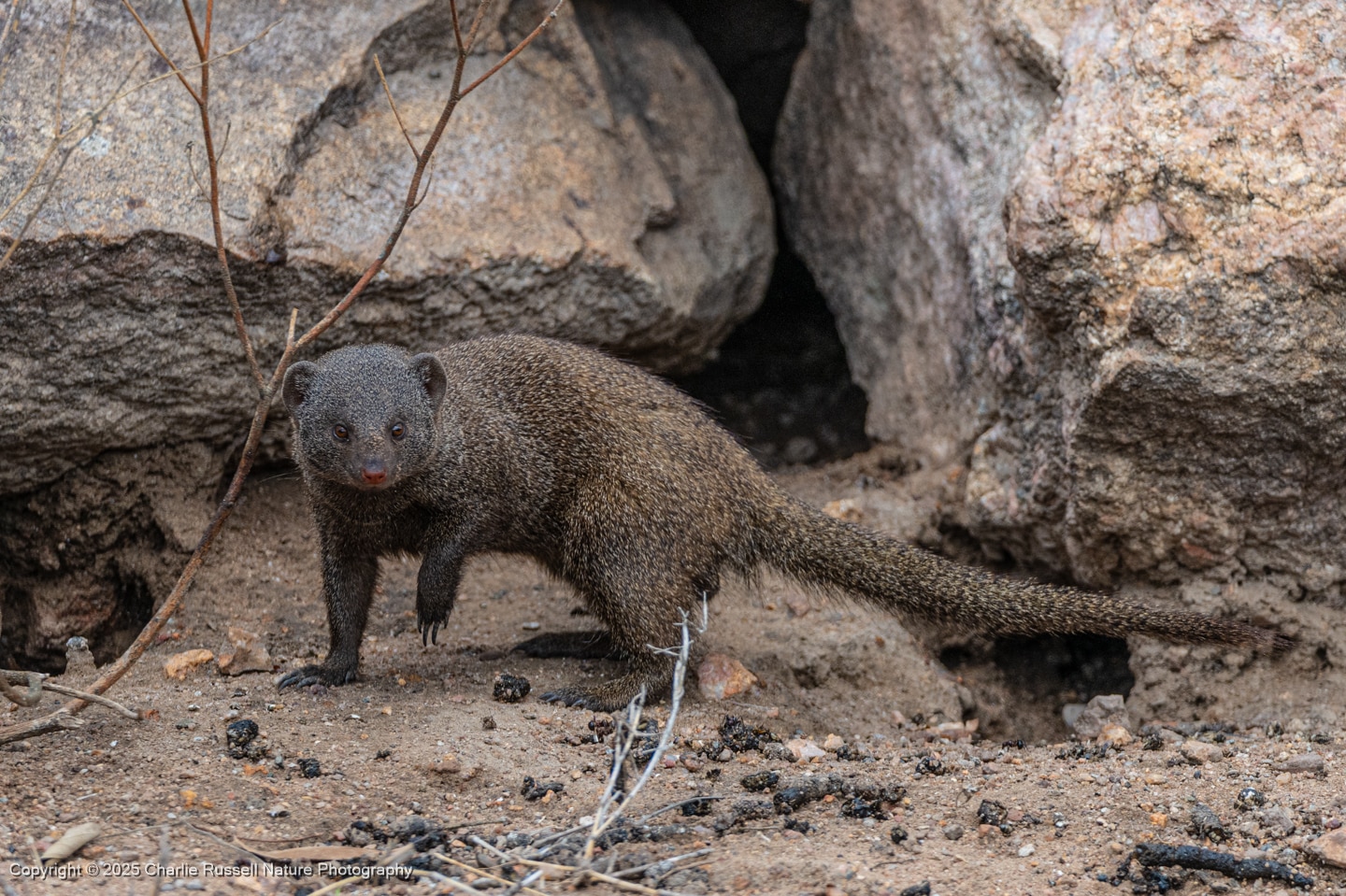
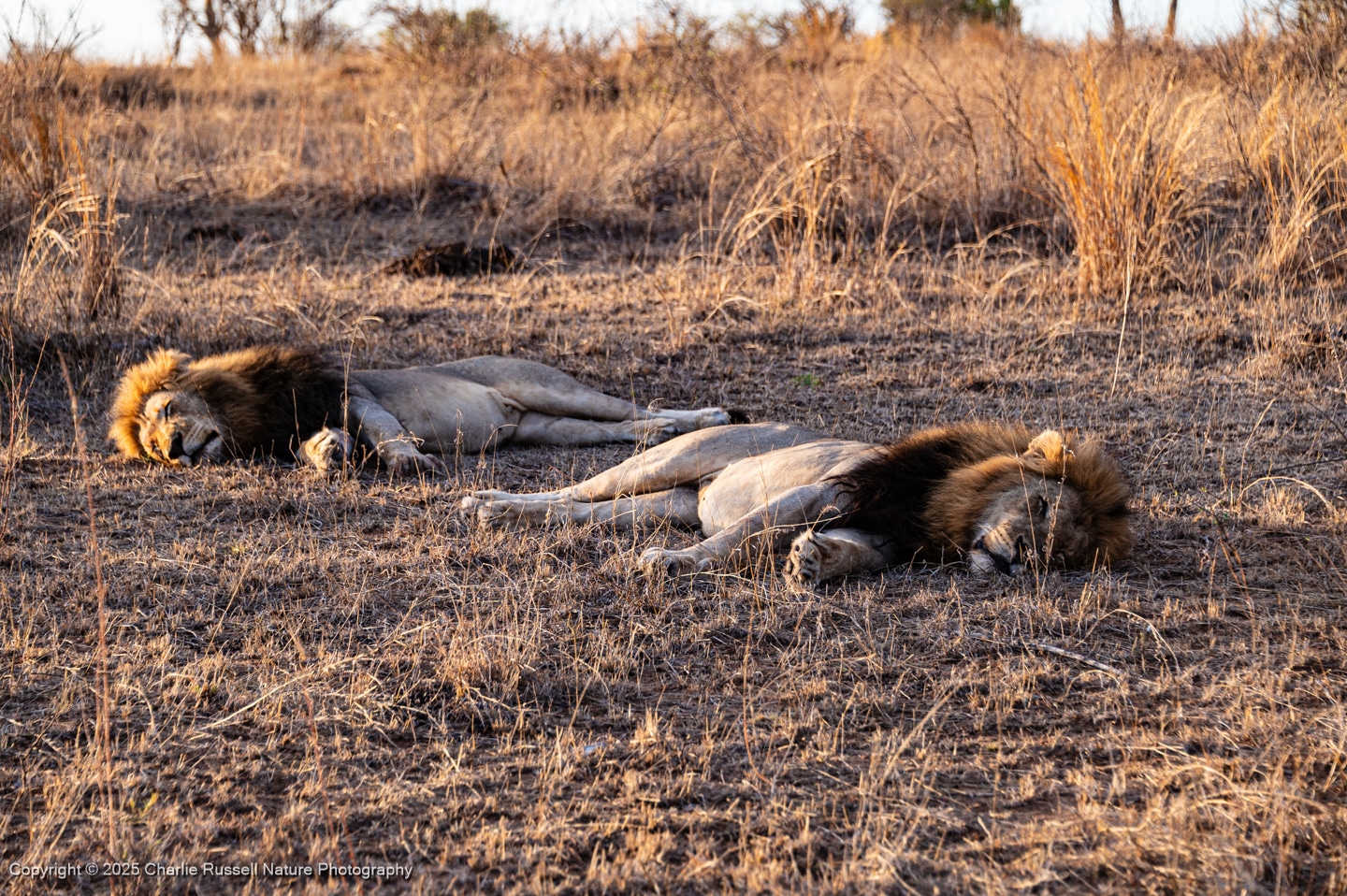
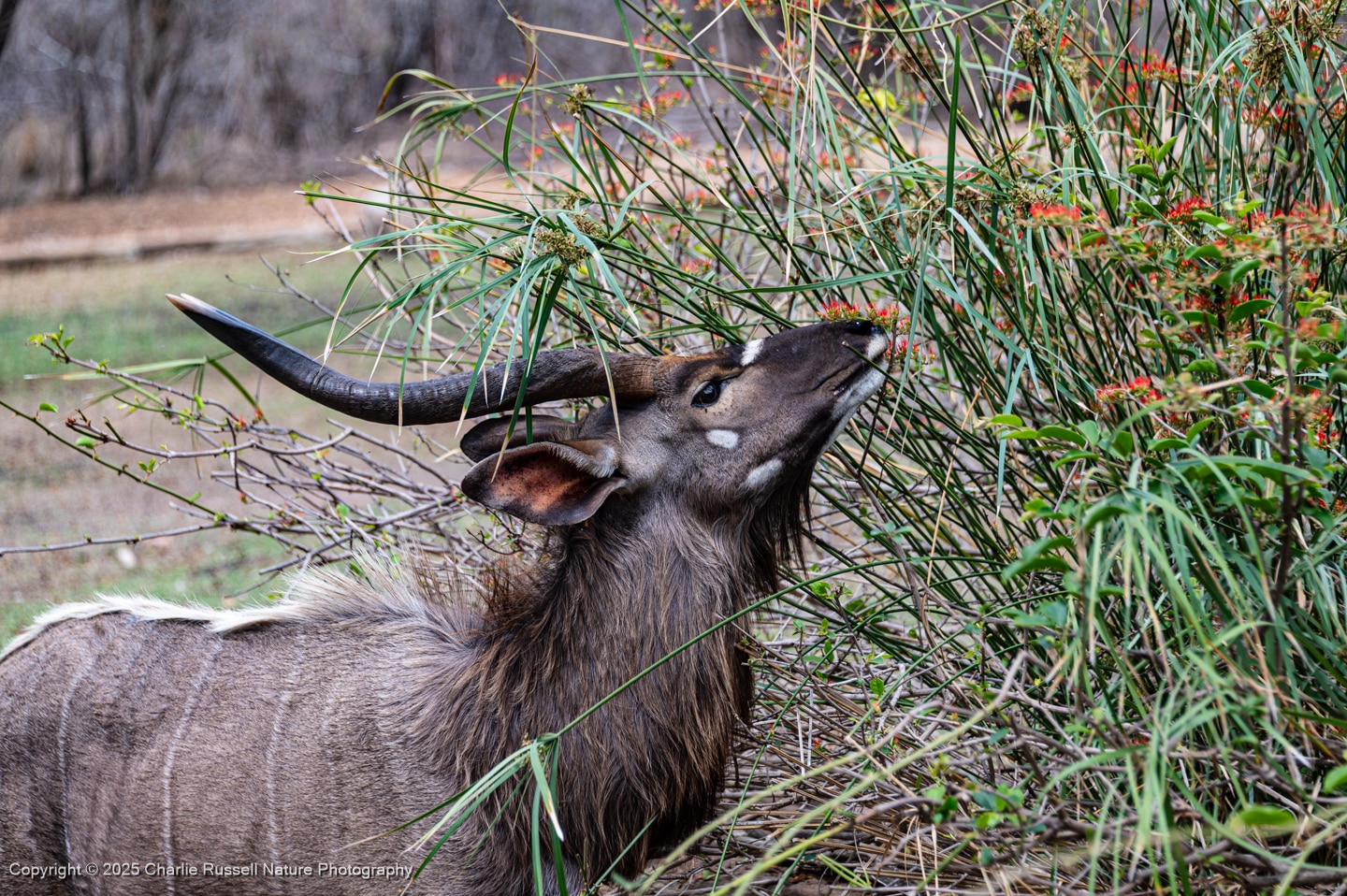
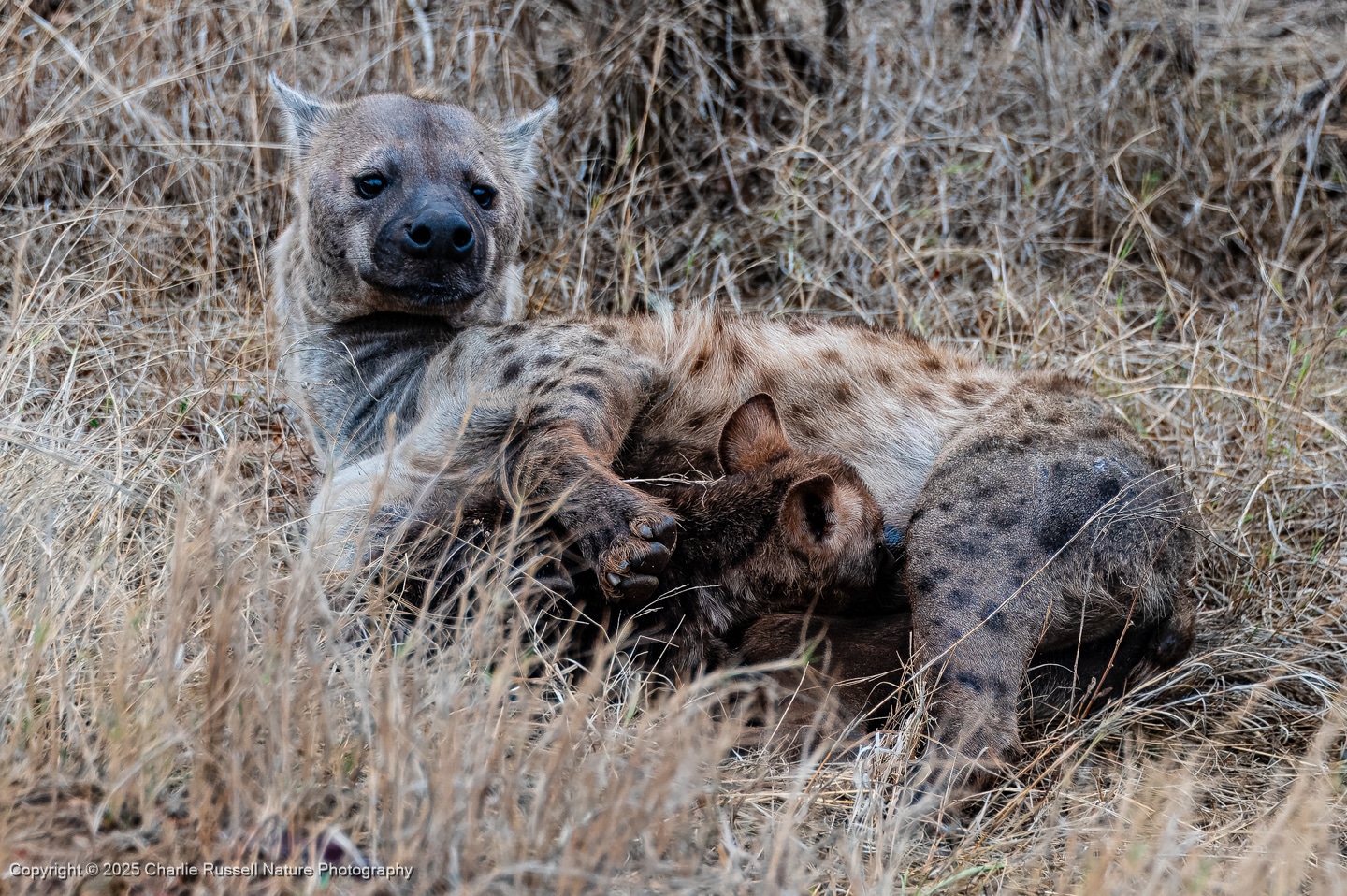
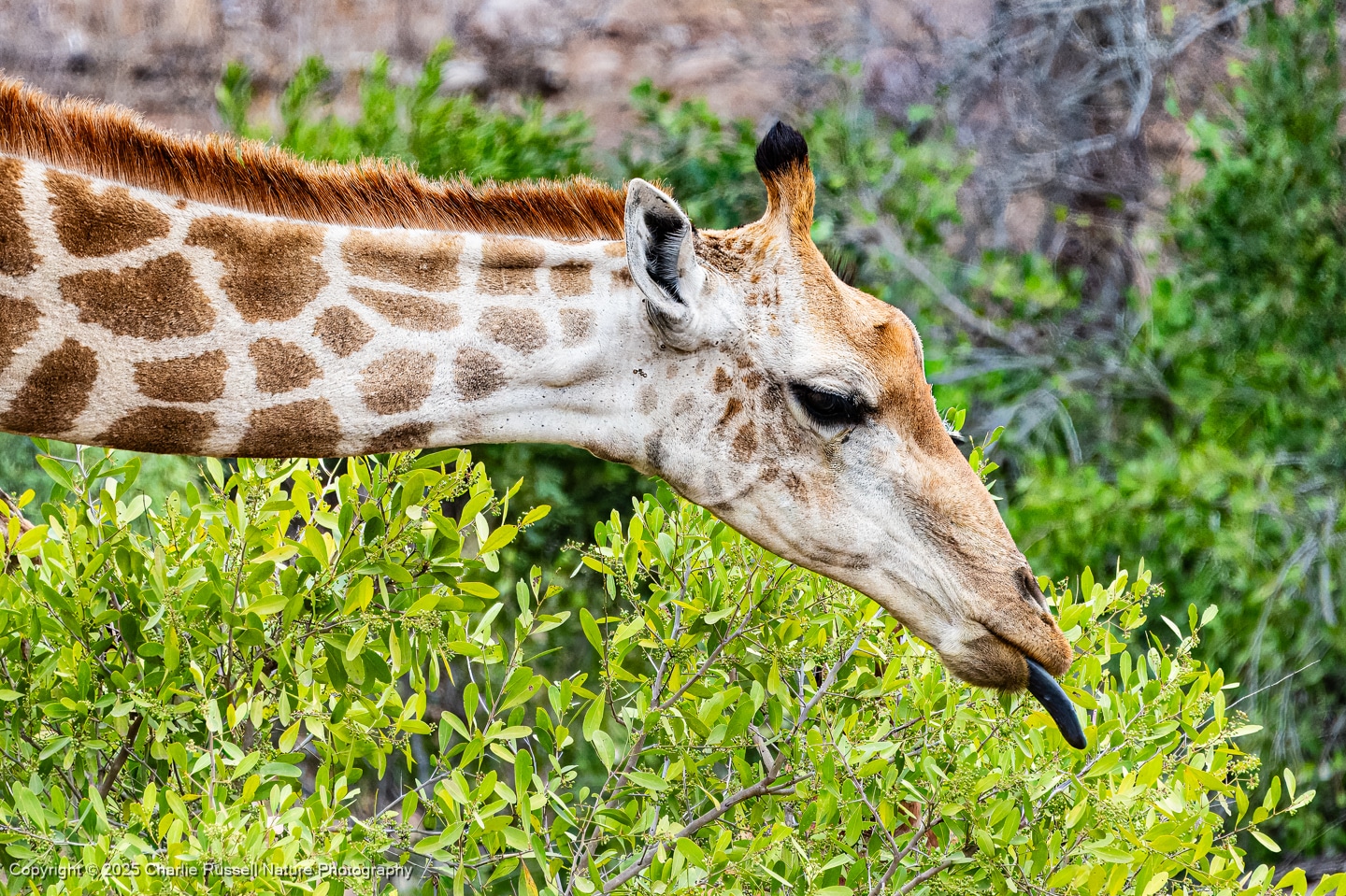
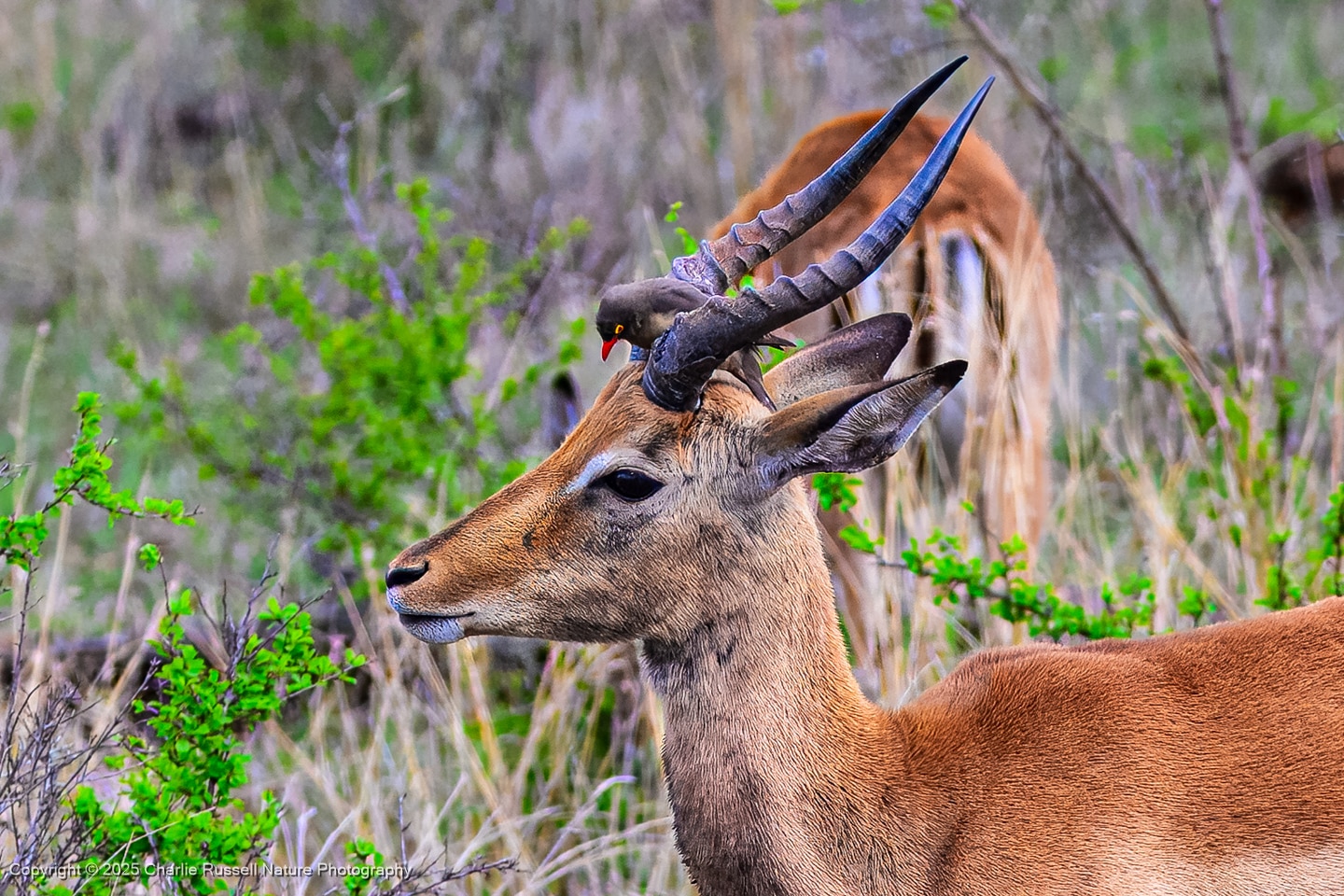
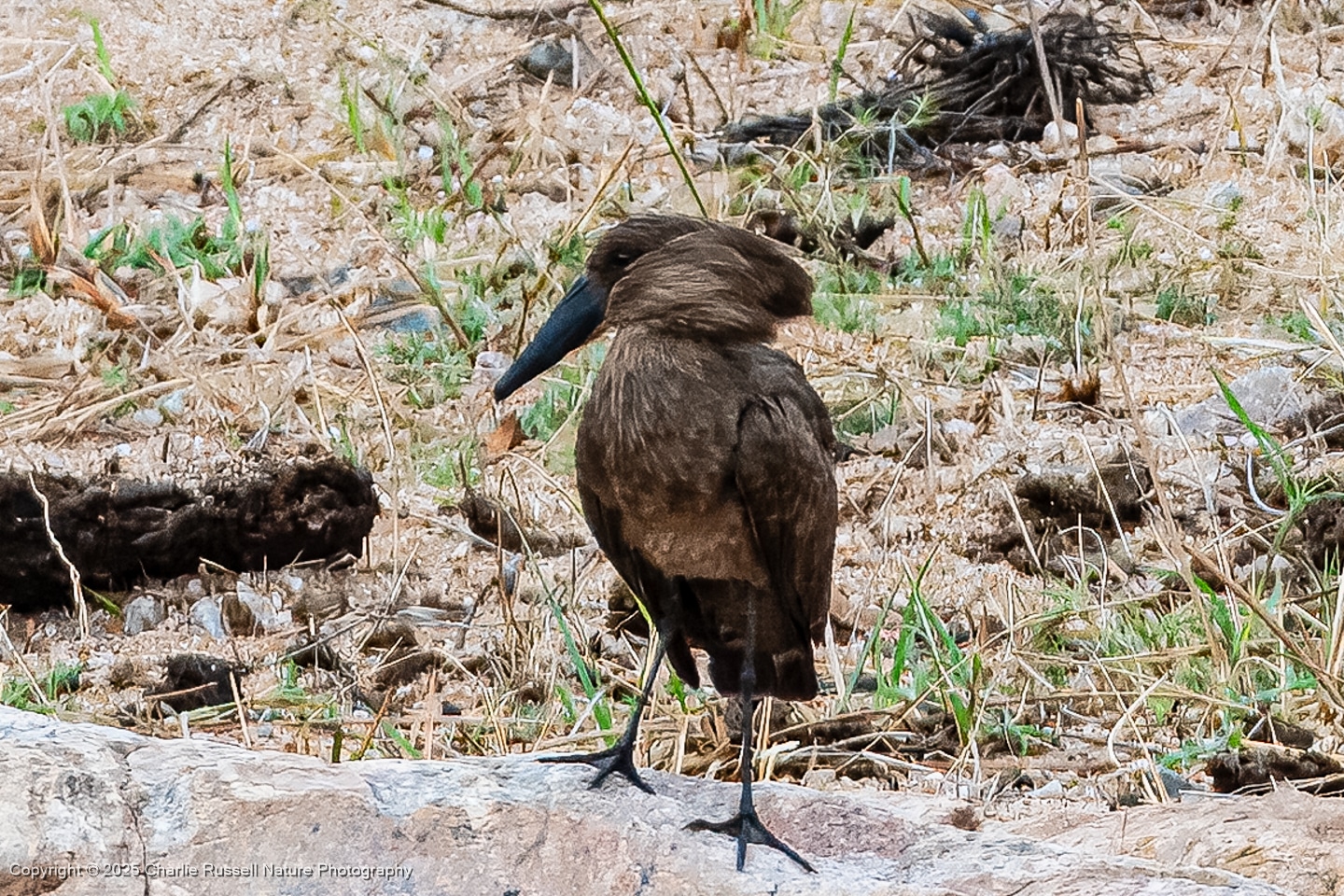
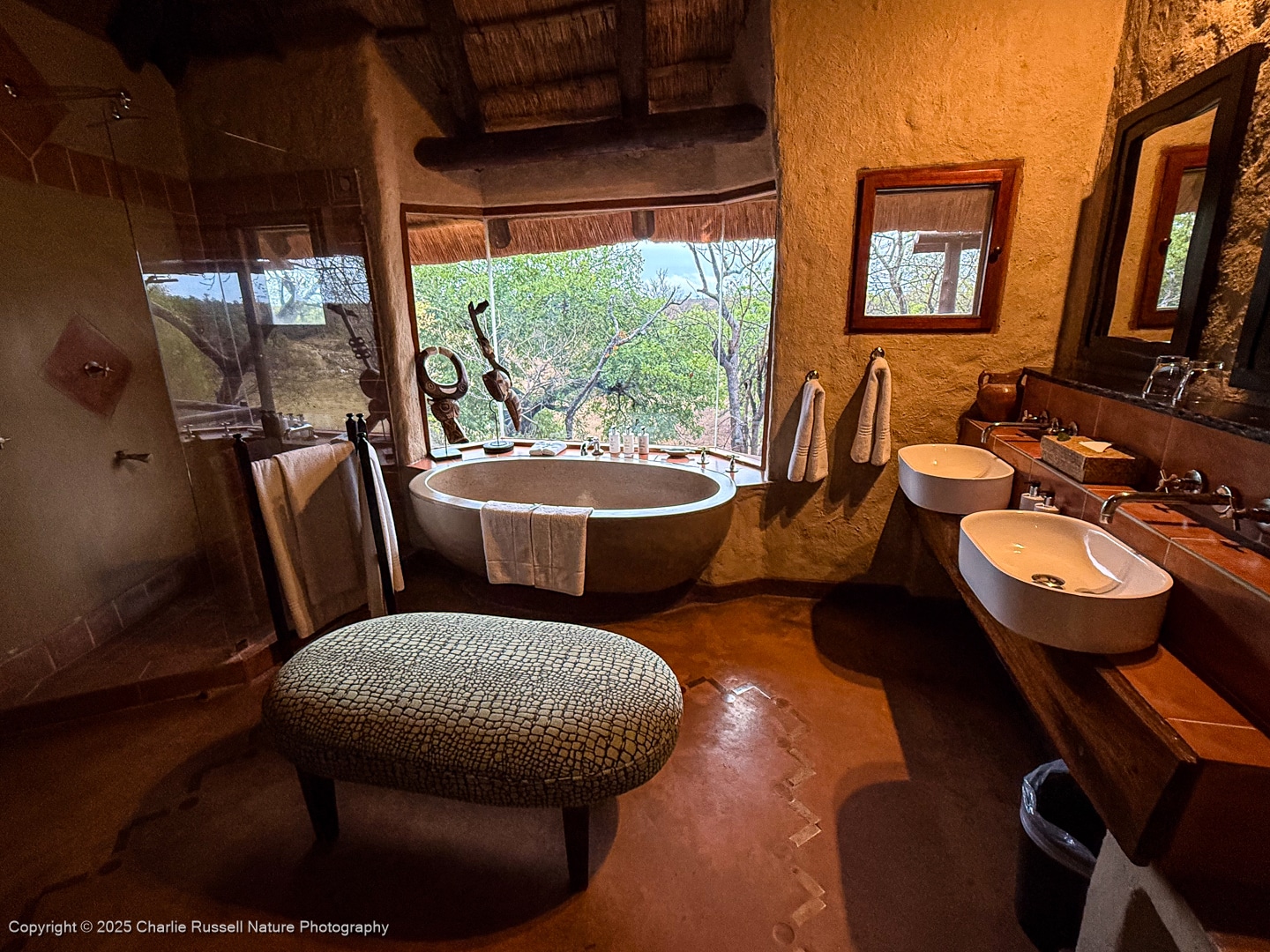
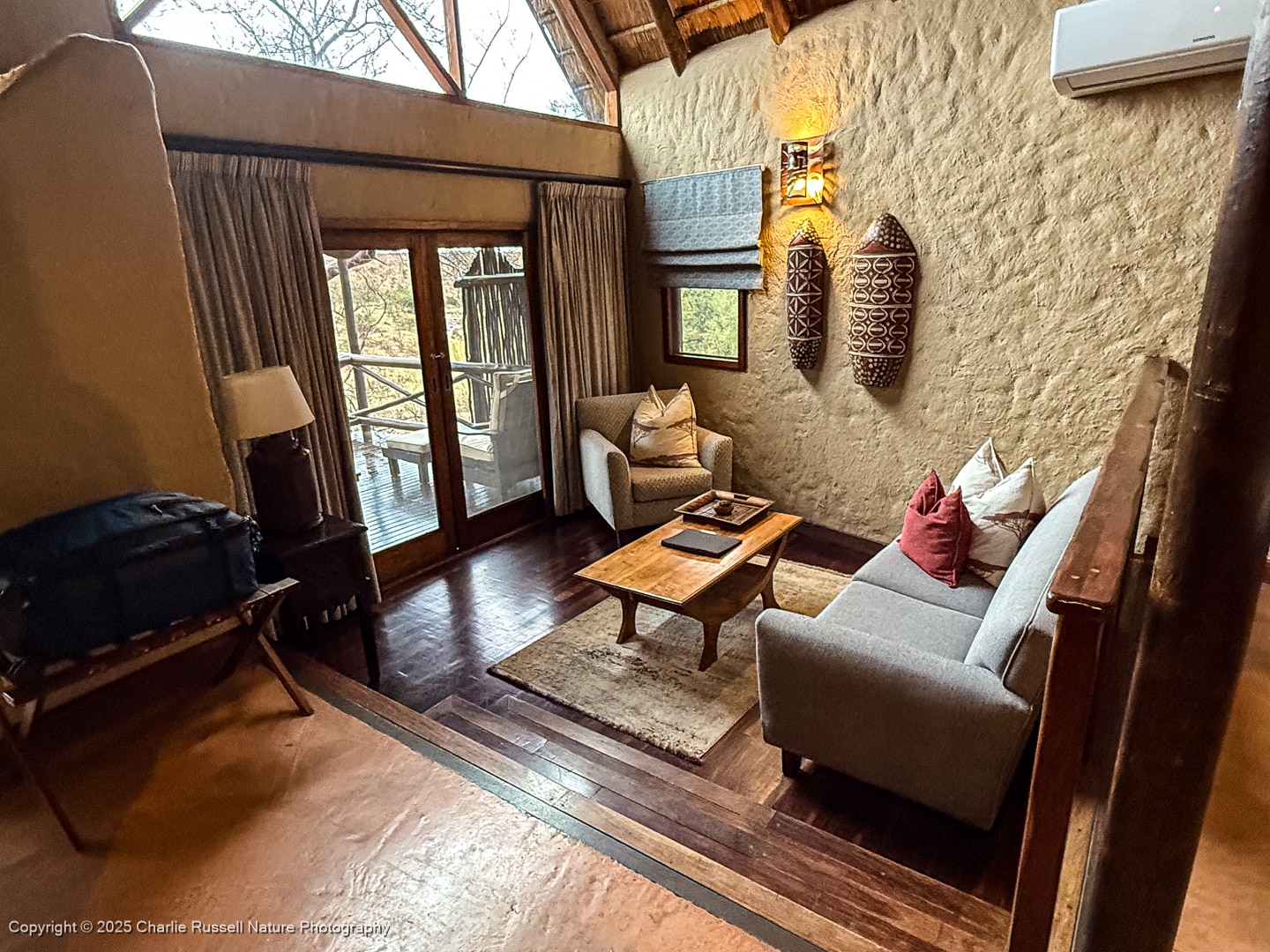
Lukimbi Safari Lodge
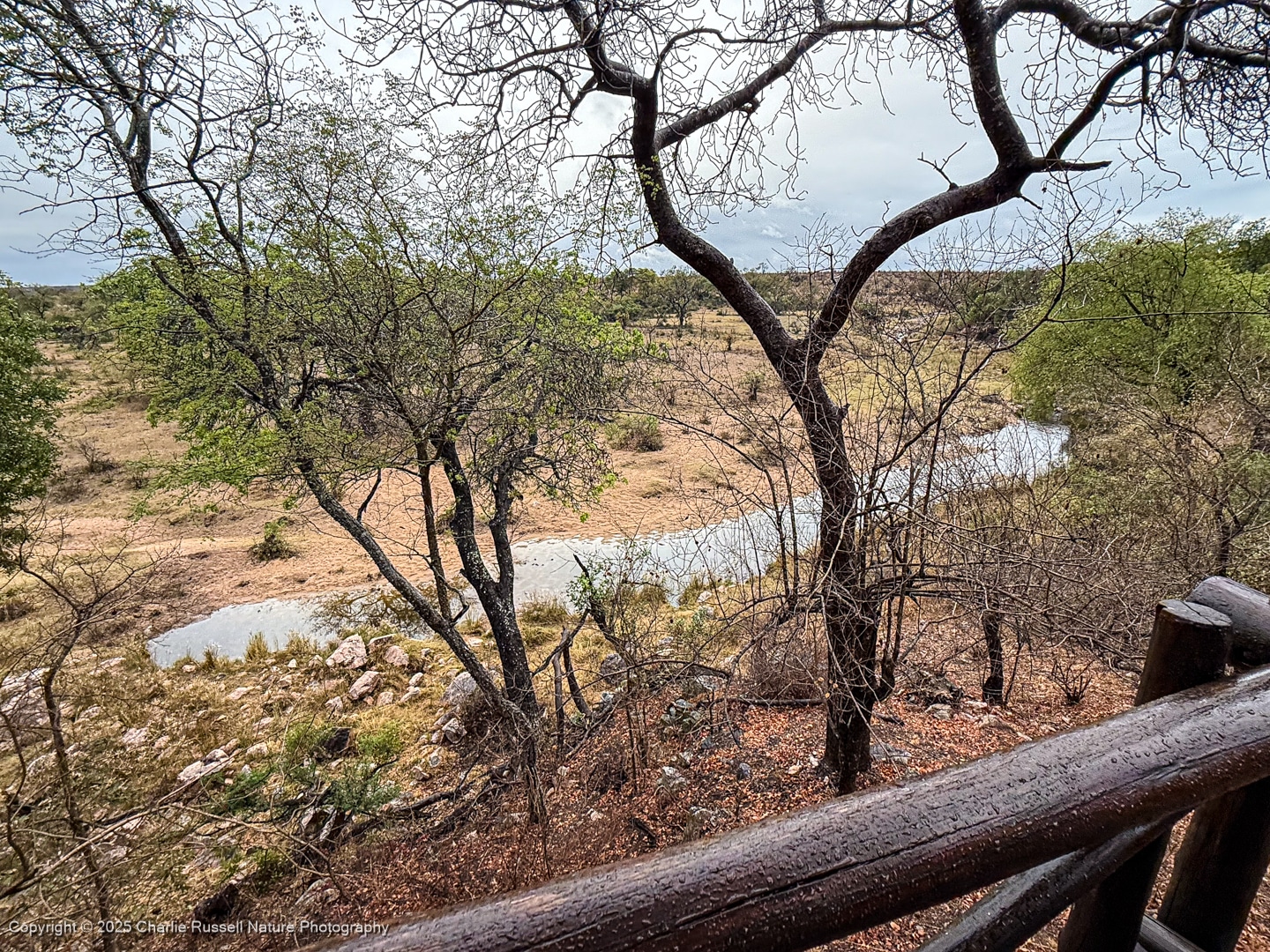
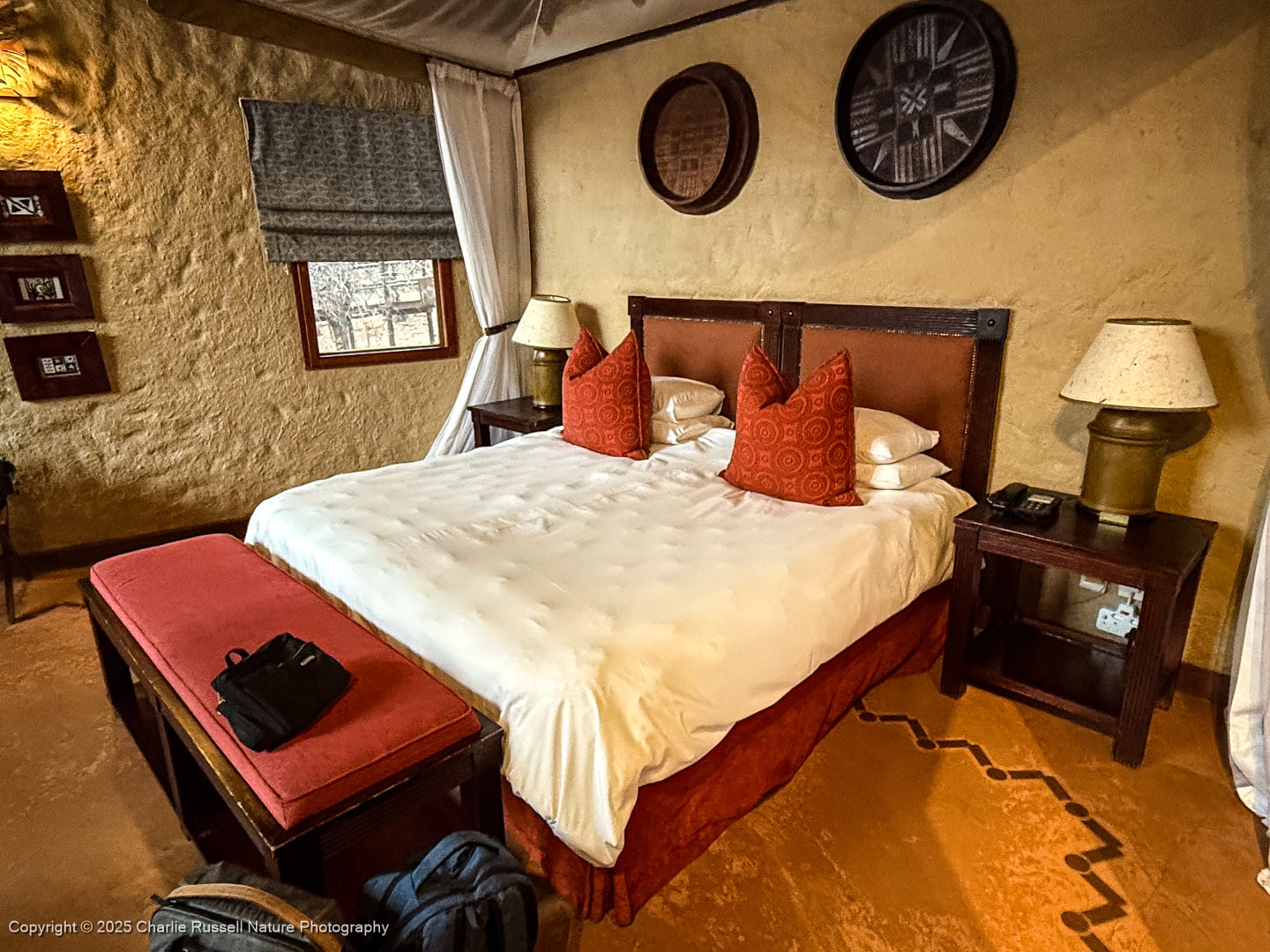
For this portion of our trip we stayed at Lukimbi Safari Lodge. What an amazing experience! These were the best accommodations on our entire tour. We had a “classic suite” which was very comfortable. The rooms look out over the adjacent river bed, so you can see a variety of animals right from the back deck.
Lukimbi Safari Lodge is one of a limited number of private concessions that are actually inside of Kruger National Park. This gives you instant access to the animals. Some of the photos in the gallery above were taken practically outside of our door!
In addition to the wonderful accommodations, our stay here was greatly enhanced by the wonderful staff. Our guide, Coneth, was funny, friendly, and had a wealth of knowledge about the animals and plants we encountered. Sipho, our tracker, had an amazing ability to read the animal tracks and direct the jeep to the best spots for photographing the wildlife. The serving staff at meals were outstanding, warm and friendly while providing amazing service. Every meal was a wonderful experience.
Lukimbi Game Drives
Game drives are what you come for, and Lukimbi maximizes your opportunities to get out and see animals. The typical schedule was:
- Wake up at 5:30 am, then meet your guide in the lodge. Hot chocolate and tea are available. You want to get an early start as the animals are more active in the morning and evening.
- Once everyone is ready you will head out on a game drive in an open-air jeep. Usually you will be sharing the jeep with other guests. There will be a guide and a tracker. They provide a warm blanket and a hot water bottle for everyone, as it can be a bit chilly at the start.
- You will return to the lodge for breakfast, around 9:00 am.
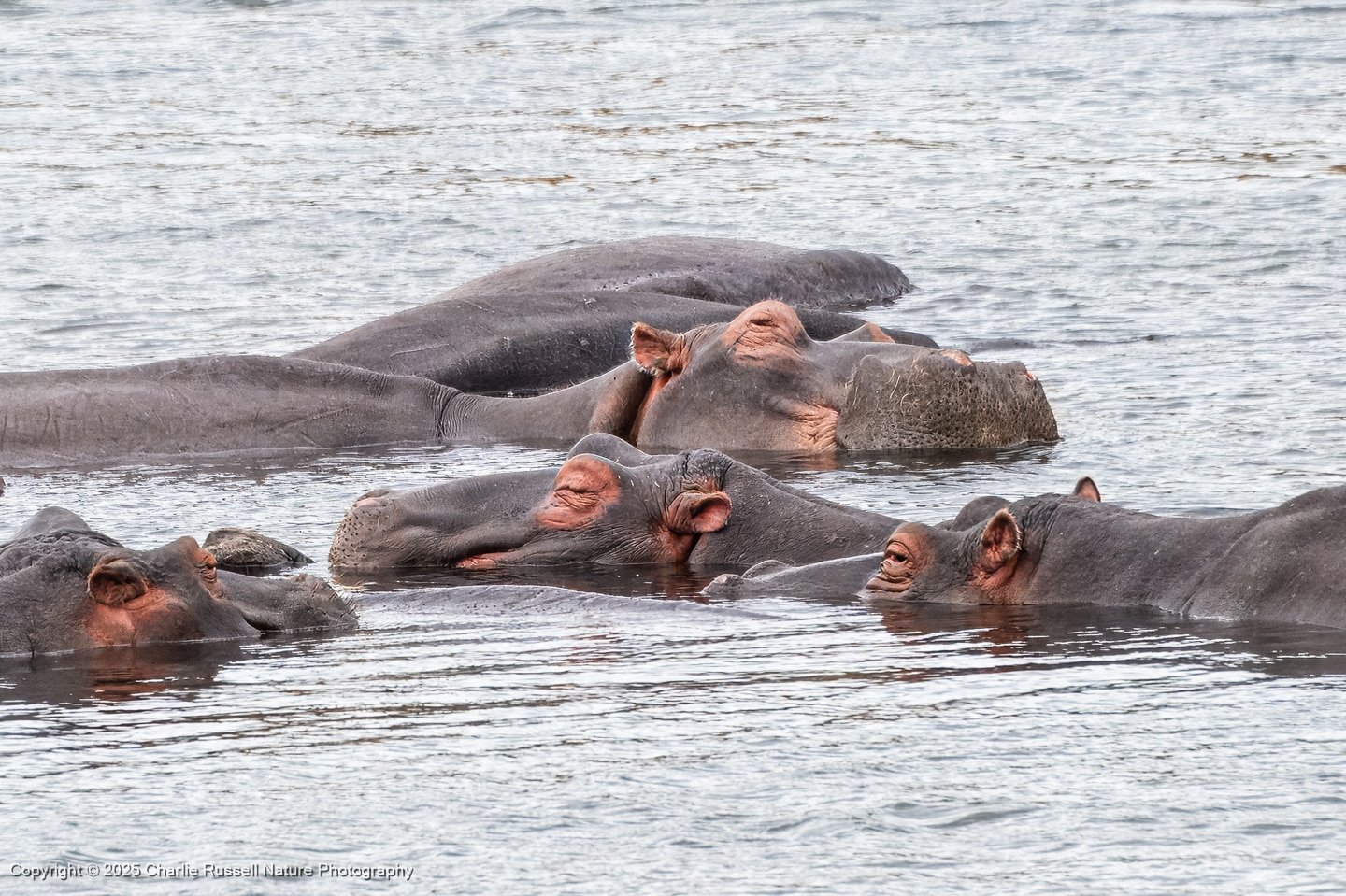
- On most days, at 11:00 am there was an optional walking game drive. Usually a small group of people and two guides. I really enjoyed these, it gives you a great feel for the land and a close look at the plants of the area. It is completely safe! One day we walked down towards the river (Hippos!), the other day we headed through the hilly area in the opposite direction. The guides share a lot of information about the plants, geology, and smaller animals that you might see.
- Lunch is served at 2:00. After lunch you have a break, at the midday sun can be quite warm. Most of the animals won’t be out and about. We spent some time watching birds and smaller animals from the viewing deck, as well as taking a nap in our room.
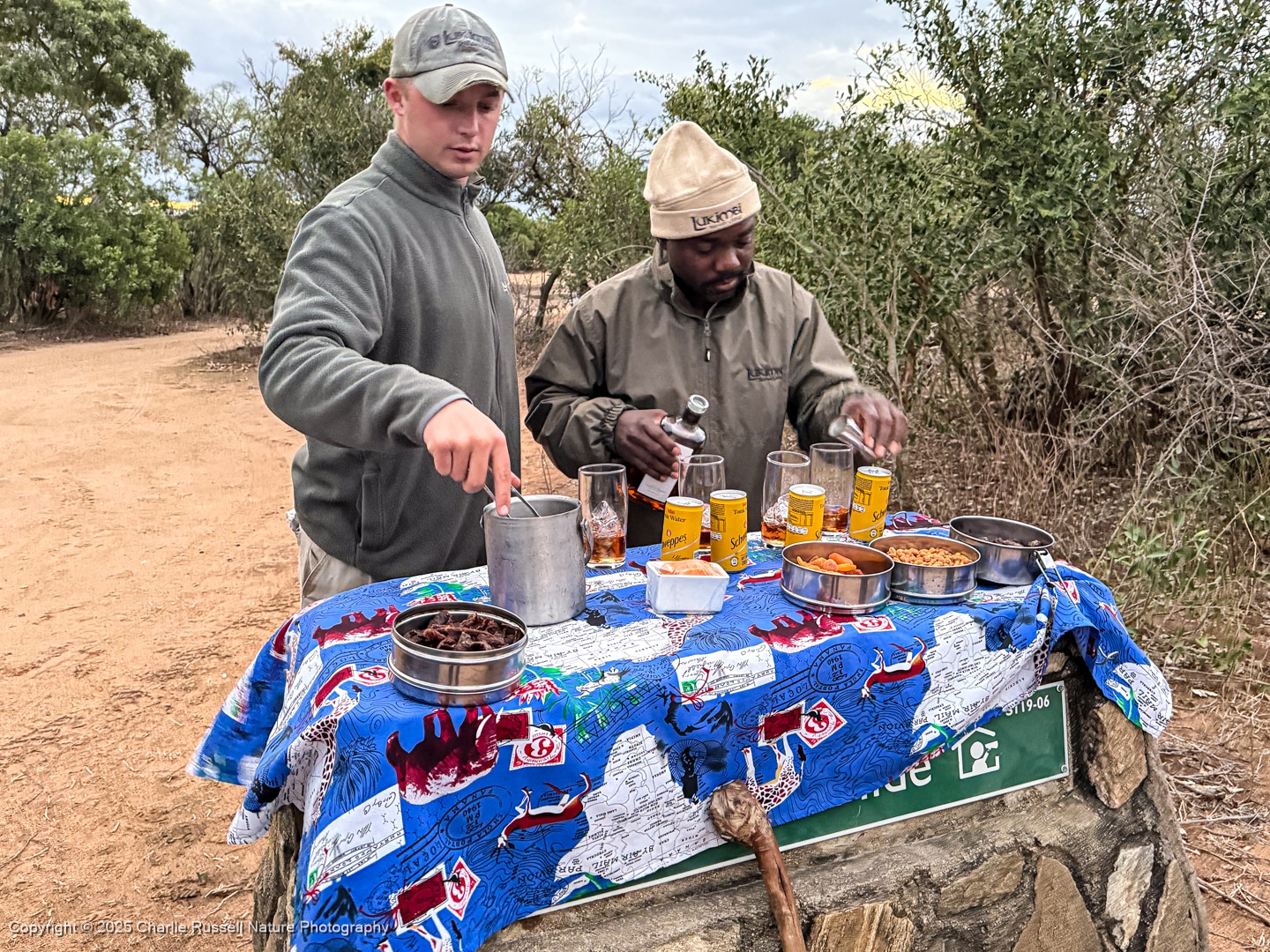
- Around 4:00 you head off on your second game drive of the day. We often found a different set of animals on the afternoon game drive than we encountered in the morning. As the sun starts to set your guide will find a safe place to pull over for “sundowners” – snacks and drinks. The game drive may continue on in the dark, with the guide and tracker using a spotlight to point out nocturnal animals (that is when we came across the leopard).
Exceptional Dining
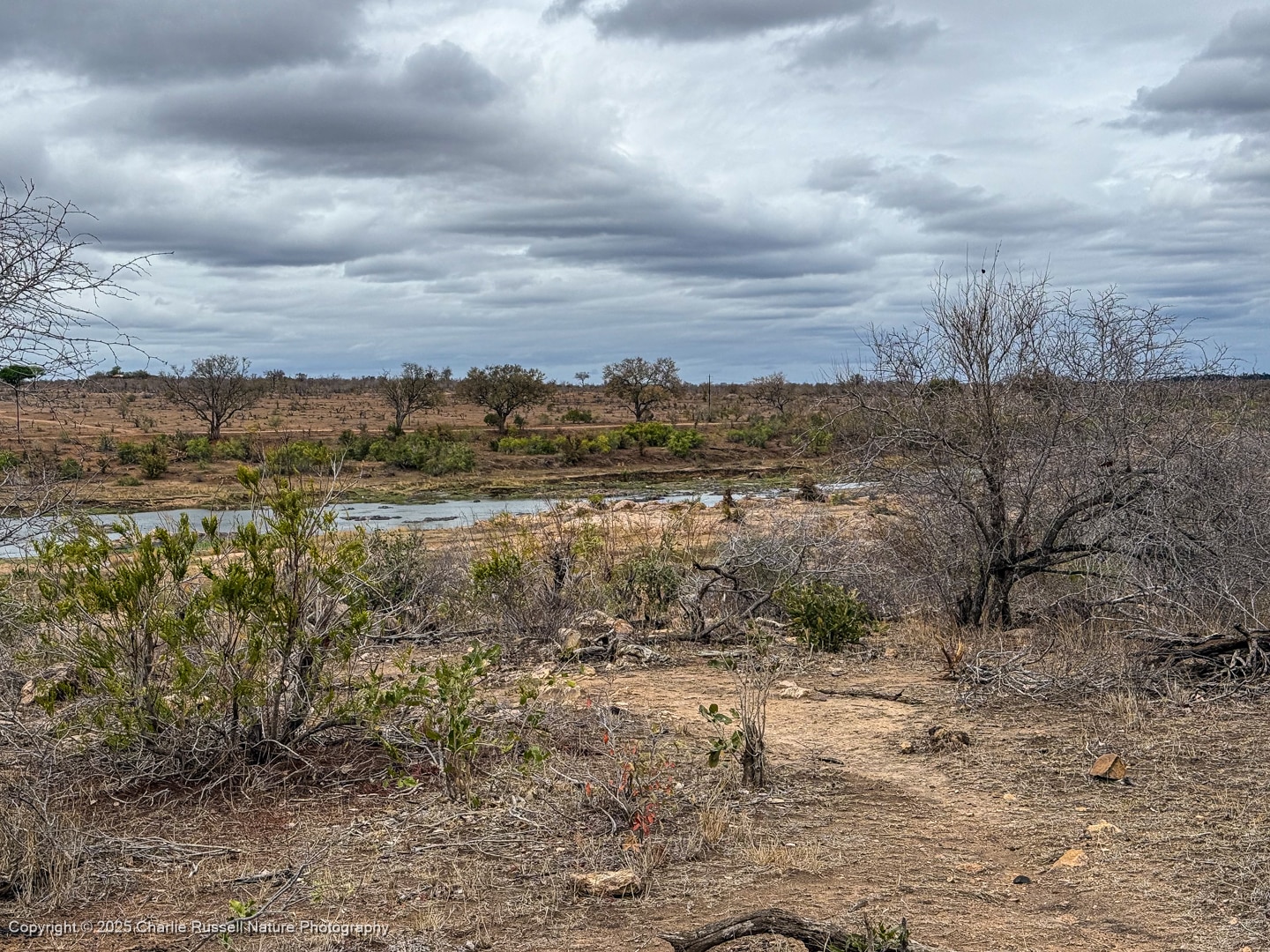
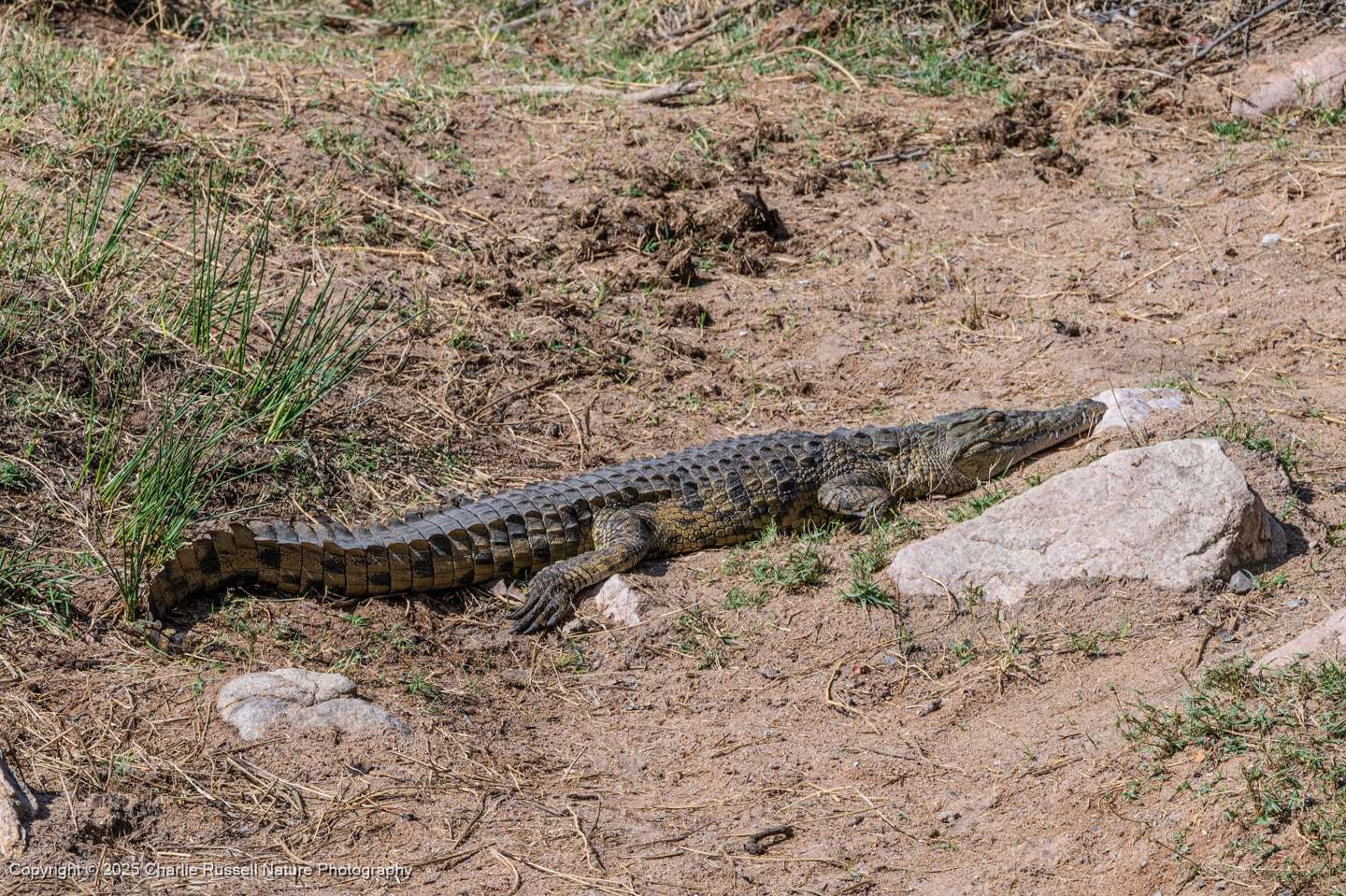
Meals were served in the main building, which also had a great view of the river bed and the plain beyond. We were there at the end of the dry season, so there wasn’t much water in this section of the river as there might be at other times of the year, but it still was fun. The photo gallery has a shot of a Nile crocodile that was taken from the deck by the dining hall.
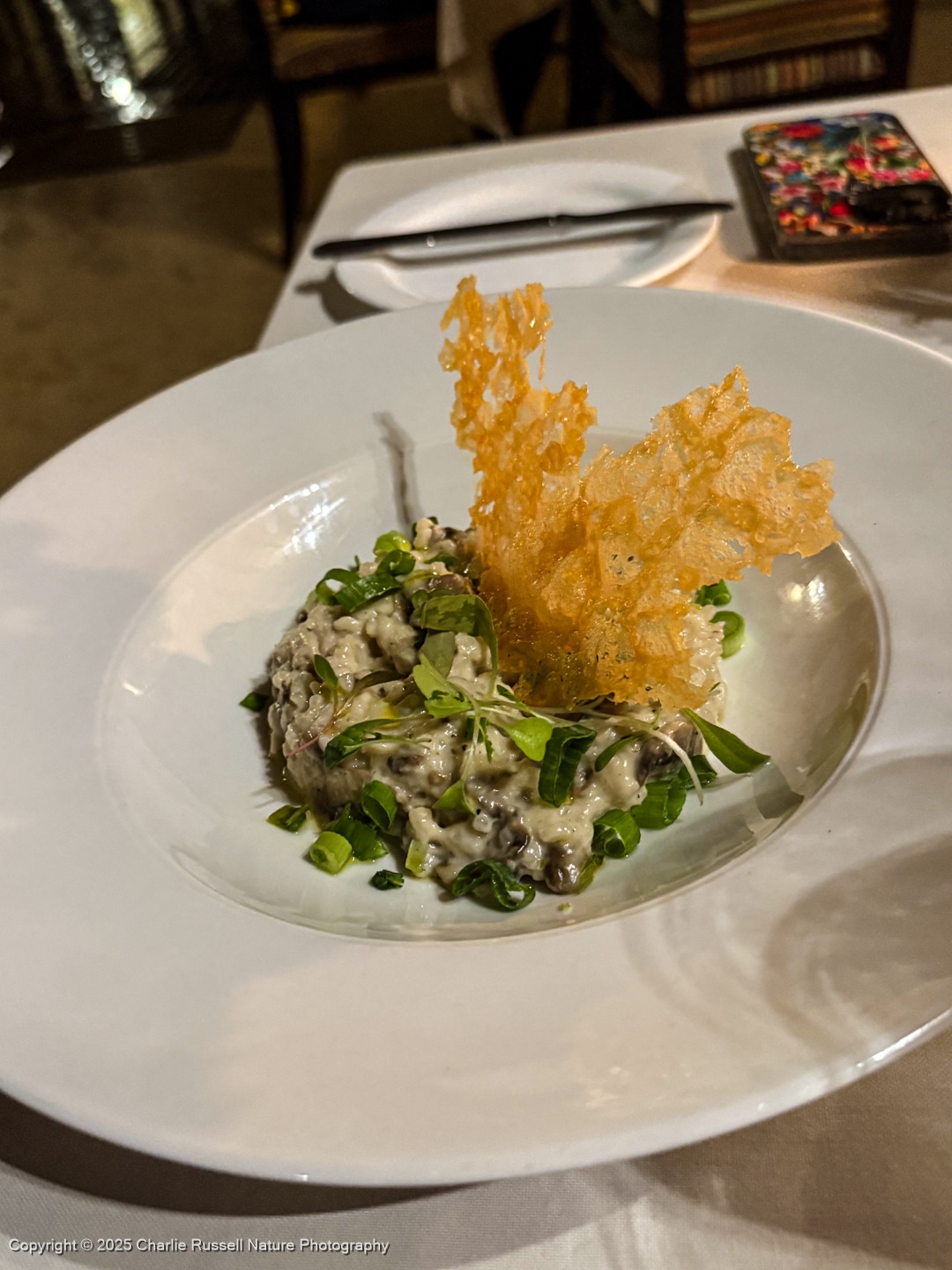
Lukimbi provides a very nice breakfast with lots of fresh fruit, toast, and items you can order off the menu. I enjoyed the French toast very much!
Lunches were served buffet style. Again, lots of fresh fruit, along with an assortment of veggies, several meat dishes, and cake.
All of the meals were wonderful, but the dinners were outstanding. It was like being in a 5 star restaurant, with a good variety of interesting dishes. And I can’t say enough about the absolutely wonderful staff. Friendly, engaging, fun to talk with, and excellent service.
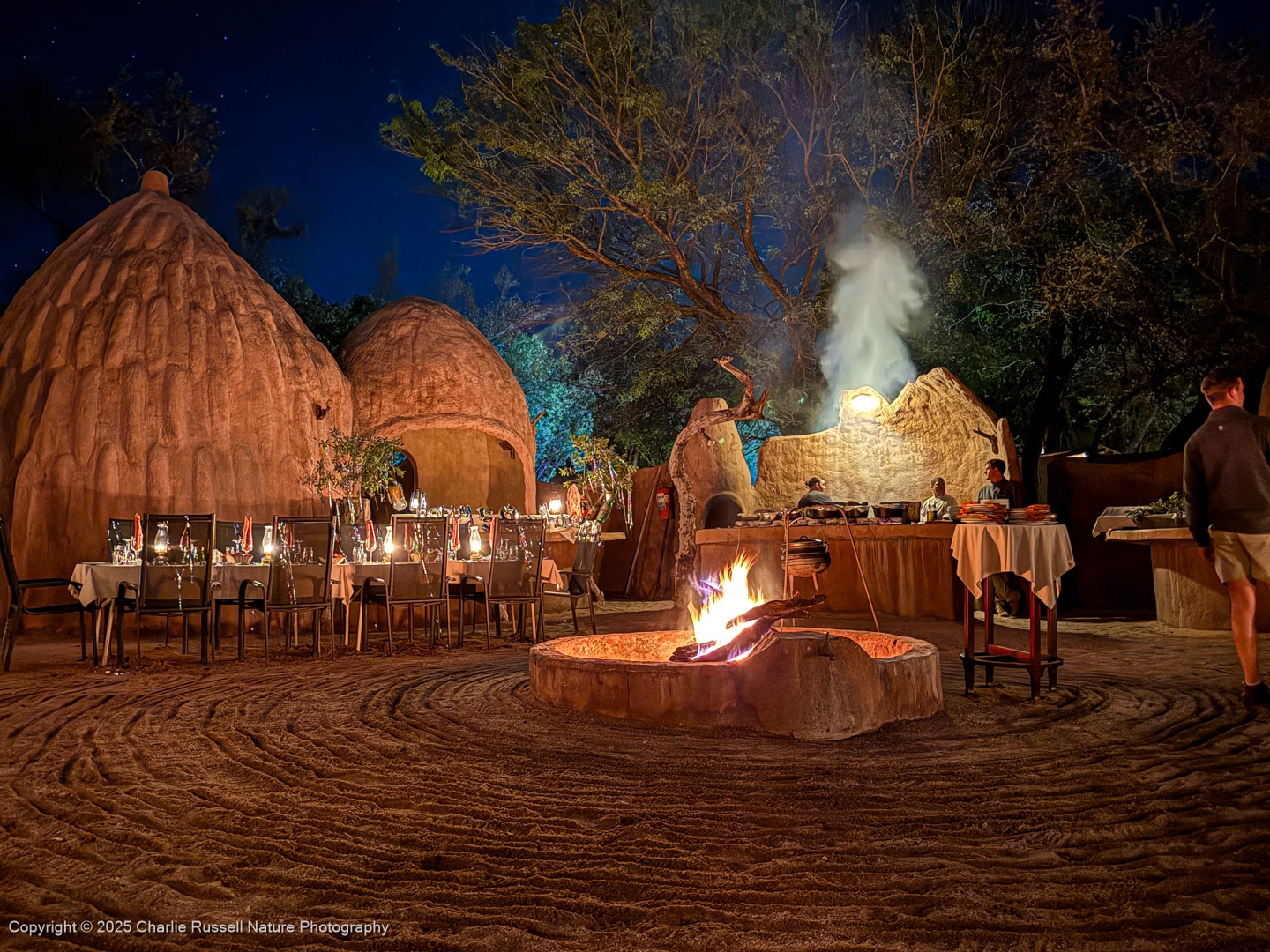
On our last evening, dinner was a “barbecue” served in an outdoor enclosure. Members of the staff performed a traditional dance with music.
Planning Your Trip
If you plan on visiting South Africa to view wildlife, I suggest that you work with a travel agency that has a lot of experience with picking the best lodges and tours. There are many companies offering their services, and many different camps to choose from. It can be confusing! You want an agency that is going to pick the camps that are the best quality, the best fit for your interests.

This was our third visit to Africa, and each time we’ve used Custom Safaris. I highly recommend this company, the service they provide is outstanding. They take extra time to learn what your interests are and offer you a choice of accommodations at different price ranges. Traveling to a foreign country can be confusing and difficult if you aren’t familiar with the area. Custom Safaris took care of all the details for us, including choosing the wonderful camps that we stayed at. They arranged to have us greeted at the airport, escorted through customs and passport control, transported from the airport to our camp, transported to the second camp, and then to the airport again. We used them for our visits to Kenya and Rwanda, and these were the most exciting wildlife trips we’ve taken.
Timing is Everything
This visit was in late September into early October 2025. This is considered the dry season. The landscape certainly was dry! Although it did rain a bit as we transitioned from our botany tour over to Kruger. Generally, this is considered to be the best time of year for game viewing.
Dry Season: (May – October) – Best for Game Viewing
- Pros: You’ll find low, sparse vegetation which makes it easier to spot animals. There are fewer mosquitoes, animals gather at waterholes, and you will generally have pleasant temperatures.
- Cons: This is peak tourist season, so you need to book well in advance. It can get chilly in mornings/evenings.
- Best Months: June, July, August (peak dry/winter); September, October (transition to spring, great viewing before vegetation thickens).
Wet Season: (November – April) – Best for Scenery & Birding
- Pros: You’ll have lush green landscapes, abundant newborn wildlife (late Nov-Feb), excellent birdwatching (migrant birds arrive), fewer crowds (other than during holidays).
- Cons: Denser brush makes spotting animals harder. It can be hot and humid, and there can be frequent heavy rains.
- Best Months: February, March (baby animals); November (start of rains, great birding).
Kruger National Park Wildlife Listing
Here’s a listing of the animals (and plants) we found on this visit. The photo gallery doesn’t include of all of these, as sometimes it was difficult to get a clear shot.
- Kruger Animals
- Common Impala, Aepyceros melampus ssp. melampus
- Egyptian Goose, Alopochen aegyptiaca
- Tawny Eagle, Aquila rapax
- Great Egret, Ardea alba
- Red-billed Oxpecker, Buphagus erythroryncha
- Southern White Rhinoceros, Ceratotherium simum ssp. simum
- Southern Vervet Monkey Chlorocebus pygerythrus ssp. pygerythrus
- Blue Wildebeest, Connochaetes taurinus ssp. taurinus
- Nile Crocodile, Crocodylus niloticus
- Spotted Hyena, Crocuta crocuta
- Saddle-billed Stork, Ephippiorhynchus senegalensis
- Chapman’s Zebra, Equus quagga ssp. chapmani
- Southern Small-spotted Genet, Genetta felina
- South African Giraffe, Giraffa giraffa ssp. giraffa
- White-backed Vulture, Gyps africanus
- Southern Dwarf Mongoose, Helogale parvula ssp. parvula
- Wahlberg’s Eagle, Hieraaetus wahlbergi
- Common Hippopotamus, Hippopotamus amphibius
- Common Waterbuck, Kobus ellipsiprymnus ssp. ellipsiprymnus
- Giant Blonde Snail, Lissachatina immaculata
- African Savanna Elephant, Loxodonta africana
- Southern Lion, Panthera leo ssp. melanochaita
- African Leopard, Panthera pardus ssp. pardus
- Smith’s Bush Squirrel, Paraxerus cepapi
- Southern Serrated Hinged Terrapin, Pelusios sinuatus ssp. sinuatus
- Southern Warthog, Phacochoerus africanus ssp. sundevallii
- African Spoonbill, Platalea alba
- Southern Dark-capped Bulbul, Pycnonotus barbatus ssp. layardi
- Southern Steenbuck, Raphicerus campestris ssp. campestris
- Common Hamerkop, Scopus umbretta ssp. umbretta
- Southern Ostrich Struthio, camelus ssp. australis
- Bateleur, Terathopius ecaudatus
- Southern Yellow-billed Hornbill, Tockus leucomelas
- Southern Red-billed Hornbill, Tockus rufirostris
- Rainbow Skink, Trachylepis margaritifer
- Nyala, Tragelaphus angasii
- Southern Greater Kudu, Tragelaphus strepsiceros ssp. strepsiceros
- Nile Monitor, Varanus niloticus
- Kruger Plants
- Impala Lily, Adenium multiflorum
- Russet Bushwillow, Combretum hereroense
- Flame-Creeper, Combretum microphyllum
- Magic Gwarrie, Euclea divinorum
- Giant Raisin, Grewia hexamita
- Apple-Leaf, Philenoptera violacea
- Weeping Boerbean, Schotia brachypetala
- Cocklebur, Xanthium sp.
Did you find this article helpful? Interesting? Please leave a comment, it helps me understand what people are looking for.
In addition, I don’t hide my content behind a paywall, but if you would like to help me cover my costs, please consider clicking the button below to make a small donation. Thank you!


